

When Gary Dirks arrived in China in 1995, the country’s government was looking to source more of its energy at home. Dirks was the incoming country head for BP, but efforts to find more oil and gas in the country had largely fizzled.
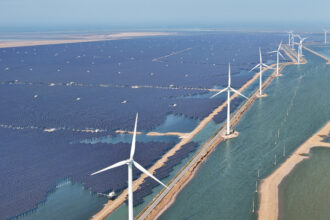
So government leaders pivoted, Dirks said. China invested heavily in its domestic coal and, later, in building wind and solar energy. Now, those investments and other steps are shielding China from more severe impacts of the volatility unleashed by the U.S.-Israeli war in Iran, despite Beijing’s continued reliance on foreign oil.
“They’ve been taking measures for a very long time to try to maximize their use of their own resources,” said Dirks, now senior director at the Global Futures Laboratory at Arizona State University. “They’ve been aware of this vulnerability for a very long time.”
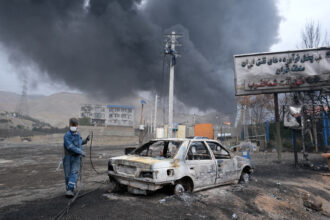
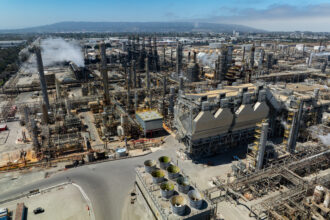
By some measures, China could appear to be highly exposed to the price spikes and supply disruptions the war has sparked in global oil and gas markets. The country gets nearly half of its oil and one-third of its liquefied natural gas, or LNG, from the Middle East, according to an analysis of data by Columbia University’s Center on Global Energy Policy.
Yet China has built up a crude oil stockpile of nearly 1.4 billion barrels, meaning the country could be cut off from imports for months, “and they’d be OK,” said Erica Downs, a senior research scholar at the Center on Global Energy Policy.
China is more vulnerable with natural gas, for which it doesn’t have such a substantial stockpile, experts say. Because the war has caused prices in Asia to spike, some industrial users in China, like chemical or glass plants, will need to pay more, cut back their operations or both.
“There is definitely going to be short-term pain,” Downs said. “But I think in the longer term there are definitely some silver linings for China.”
In an essay in Foreign Policy written with Jason Bordoff, the founding director of the Center on Global Energy Policy, Downs argued that while the war has exposed China’s dependence on Middle Eastern oil, “it also underscores how deliberately Beijing has sought to prepare for a world in which energy security is inseparable from geopolitics—by electrifying its economy, securing domestic sources of energy, amassing stockpiles, and dominating clean technology supply chains.”
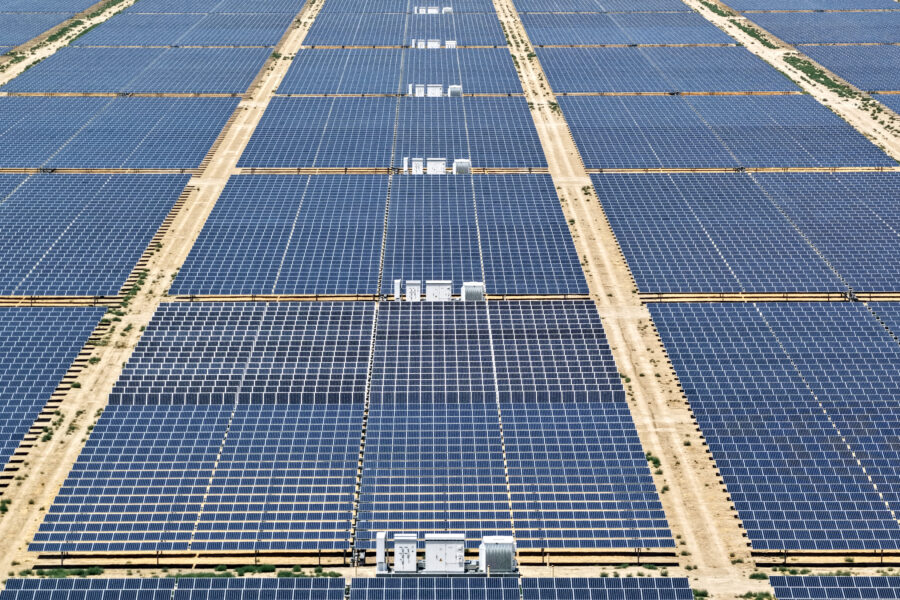
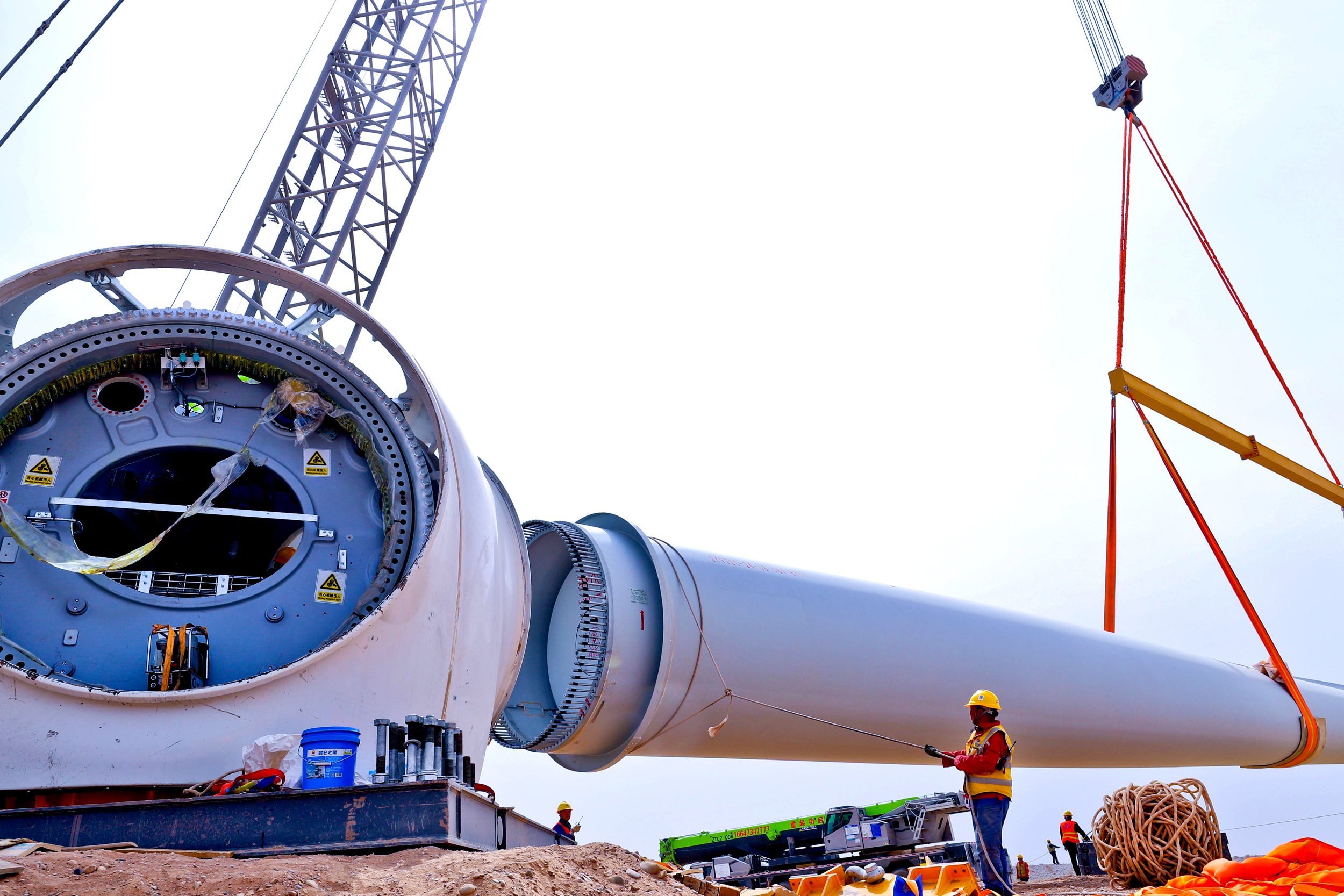
Last year more than half of new cars sold in China were electric, according to the energy think tank Ember, while the country is a leader in electrifying heavy-duty vehicles and high-speed rail, too. Meanwhile, a rapidly growing portion of its electricity is being generated by solar and wind energy as China installs more of those technologies than the rest of the world combined.
Gasoline and diesel demand have already begun to fall, despite rapid economic growth, while China’s total crude demand has plateaued, according to the International Energy Agency.
China has also retrofitted many of its coal plants to operate as flexible power sources, like natural gas turbines that can be turned on and off more easily than traditional coal plants, said Kate Logan, director of the China Climate Hub and Climate Diplomacy at the Asia Society Policy Institute.
“That set up China quite well in terms of any potential shocks to its power sector because China can ramp up coal usage,” Logan said.
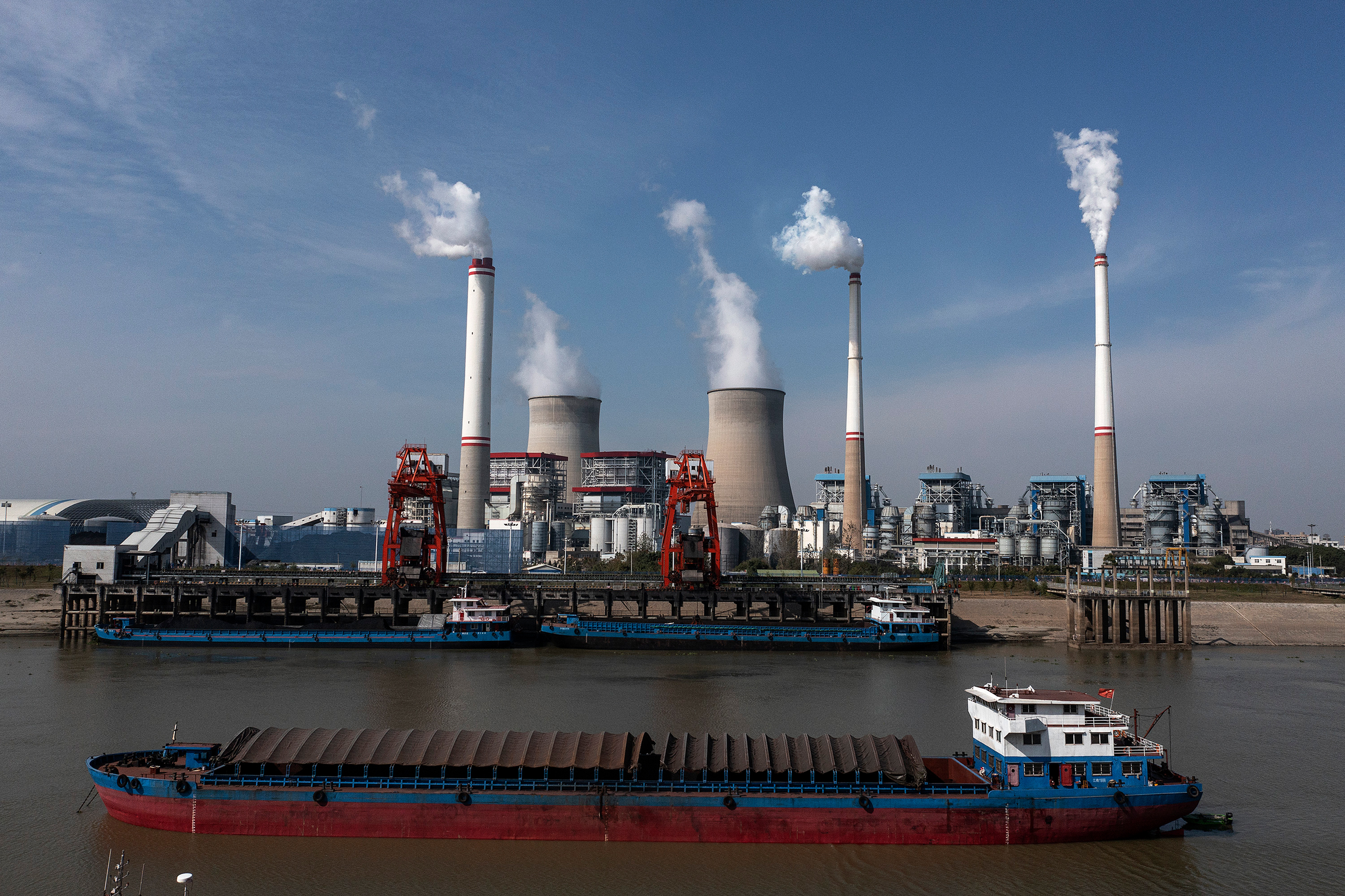
Beyond the power sector, China could also use coal to produce liquid fuels and feedstocks to replace oil or gas in industrial processes or for chemical production. Any increased coal use could lead to a surge in greenhouse gas emissions.
“That’s something to keep an eye on in terms of the near-term impact on emissions,” Logan said.
Downs, at Columbia, said she expects any spike in coal use would be short-lived because of the country’s larger goals of reducing air pollution and climate emissions.
In its recently published 15th Five-Year Plan, the Chinese government said it planned to cut its carbon intensity 17 percent by 2030. That’s a slight decrease in ambition from the previous plan, and the program also renewed the possibility of a new gas pipeline from Russia’s Siberia region. The Iran war could prompt more urgent discussions between the countries, Logan said.
“I’d imagine this is something, again, that would bring China closer to Russia for both oil and gas imports,” Logan said.
This story is funded by readers like you.
Our nonprofit newsroom provides award-winning climate coverage free of charge and advertising. We rely on donations from readers like you to keep going. Please donate now to support our work.
Donate NowThe chokepoint at the Strait of Hormuz, a crucial passageway for commercial shipping effectively blocked by the Iran war, is also affecting global fertilizer shipments, potentially imperiling the spring planting season across much of the world. Roughly one-third of the global seaborne fertilizer shipments go through the strait, a statistic that has panicked agricultural producers.
But China has attempted to protect itself from fertilizer disruptions, too. While the country imports sulfur, a critical fertilizer ingredient, from the Gulf, it has otherwise become largely self-sufficient.
Fred Gale, a former U.S. Department of Agriculture economist and China specialist, explained that China is a net exporter for nitrogen fertilizer, which is made using natural gas.
In February, weeks before the U.S. attack on Iran, Chinese authorities “issued a document ordering companies and rail transport to ensure fertilizer supplies and build up reserves ahead of spring planting,” Gale explained.
“For now China seems to be feeling pretty smug about the fertilizer situation,” Gale noted.
A spokesperson for the Chinese embassy in Washington said the government has called for an immediate halt to military operations in the region to prevent the conflict from spreading.
“The Strait of Hormuz and waters nearby are an important route for international goods and energy trade. Keeping the region safe and stable serves the common interests of the international community,” the spokesperson said in a statement. “China will do what is necessary to protect its energy security.” The spokesperson added, “We will continue to strengthen communication with relevant parties, including parties to the conflict, and play a constructive role for deescalation and restoration of peace.”
Perhaps the greatest benefit to China, Downs said, could come from overseas. As the country has pushed to electrify and generate more of its energy from renewable sources, Chinese companies have become global leaders in these technologies. Already, nations around the globe have been turning to Chinese firms to import or build solar panels, EVs and batteries. Now, Downs argues, price shocks from the Iran war could accelerate this trend.
Dirks said the war is a reminder that governments still see oil as a geopolitical weapon.
“Any nation today that imports hydrocarbons has to be aware of that,” Dirks said. “And I think now that wind and solar in particular have come down dramatically in price, more and more countries will be asking themselves, ‘What is the balance of risk in using wind and solar and battery resources as opposed to importing oil and gas?’”
Whether at home or abroad, many experts say, the war-induced shock to fossil fuel markets reinforces China’s energy policies.
“The big takeaway,” Logan said, “is that this really vindicates a lot of China’s clean energy push.”
About This Story
Perhaps you noticed: This story, like all the news we publish, is free to read. That’s because Inside Climate News is a 501c3 nonprofit organization. We do not charge a subscription fee, lock our news behind a paywall, or clutter our website with ads. We make our news on climate and the environment freely available to you and anyone who wants it.
That’s not all. We also share our news for free with scores of other media organizations around the country. Many of them can’t afford to do environmental journalism of their own. We’ve built bureaus from coast to coast to report local stories, collaborate with local newsrooms and co-publish articles so that this vital work is shared as widely as possible.
Two of us launched ICN in 2007. Six years later we earned a Pulitzer Prize for National Reporting, and now we run the oldest and largest dedicated climate newsroom in the nation. We tell the story in all its complexity. We hold polluters accountable. We expose environmental injustice. We debunk misinformation. We scrutinize solutions and inspire action.
Donations from readers like you fund every aspect of what we do. If you don’t already, will you support our ongoing work, our reporting on the biggest crisis facing our planet, and help us reach even more readers in more places?
Please take a moment to make a tax-deductible donation. Every one of them makes a difference.
Thank you,

Nicholas Kusnetz
Reporter, New York