

Years after landmark court rulings in Colombia and Bangladesh recognized rivers as legal persons, the waterways remain polluted and under threat—an outcome a new study attributes in part to a systemic issue: Legal systems are still overwhelmingly designed to treat nature as an object for humans to use and profit from.
The report, released Monday by the nonprofit Stockholm Environment Institute, focused on how rights of river laws are being implemented and found that legal recognition is not, by itself, enough to stop toxic contamination and the destruction of ecosystems.
Instead, researchers concluded that it is only a first step. Whether it leads to healthier rivers depends on what follows: who is empowered to act on the river’s behalf, whether Indigenous and local communities have meaningful decision-making power, whether governments make systemic policy shifts away from treating nature as a bundle of extractable resources and whether officials have the political will to enforce the law.
“There are so many wider structural issues that need to change in order for rights of nature to be successfully enacted,” said Alison Dyke, a political ecologist with the Stockholm Environment Institute and co-author of the report.
Dyke pointed to the significant power that businesses have in most legal systems—and the fact that corporations have long held legal rights, while nature has not. That asymmetry, she said, reflects a broader global struggle between a powerful political and economic sector that views the natural world “as a resource to be exploited,” and a grassroots movement pushing for humans to remember they are part of nature, and dependent upon it.
“The resources that those two sides have are quite unequal,” Dyke said.
The rights of nature movement has grown rapidly over the past two decades, with courts and legislatures around the world recognizing wild animals and ecosystems as legal persons with inherent rights to maintain their unique characteristics and ecological functions. But relatively little research has examined whether those legal shifts have translated into better environmental outcomes.
Dyke and her co-authors sought to answer that question by looking at two high-profile cases: Colombia’s Atrato River, recognized as a legal subject with rights by the nation’s Constitutional Court in 2016 after Afro-descendant and Indigenous communities challenged widespread environmental destruction from mining, and Bangladesh’s landmark 2019 decision extending legal personhood to every river in the country.
While courts established legal personhood, they left key questions of implementation unresolved, and governments have largely failed to fill the gap, the researchers found.
Neither the Colombian nor Bangladeshi embassies in Washington, D.C., responded to requests for comment about the study.
Both countries made history with their respective rulings, but the laws differed in substance and the governments took different approaches to implementing them.
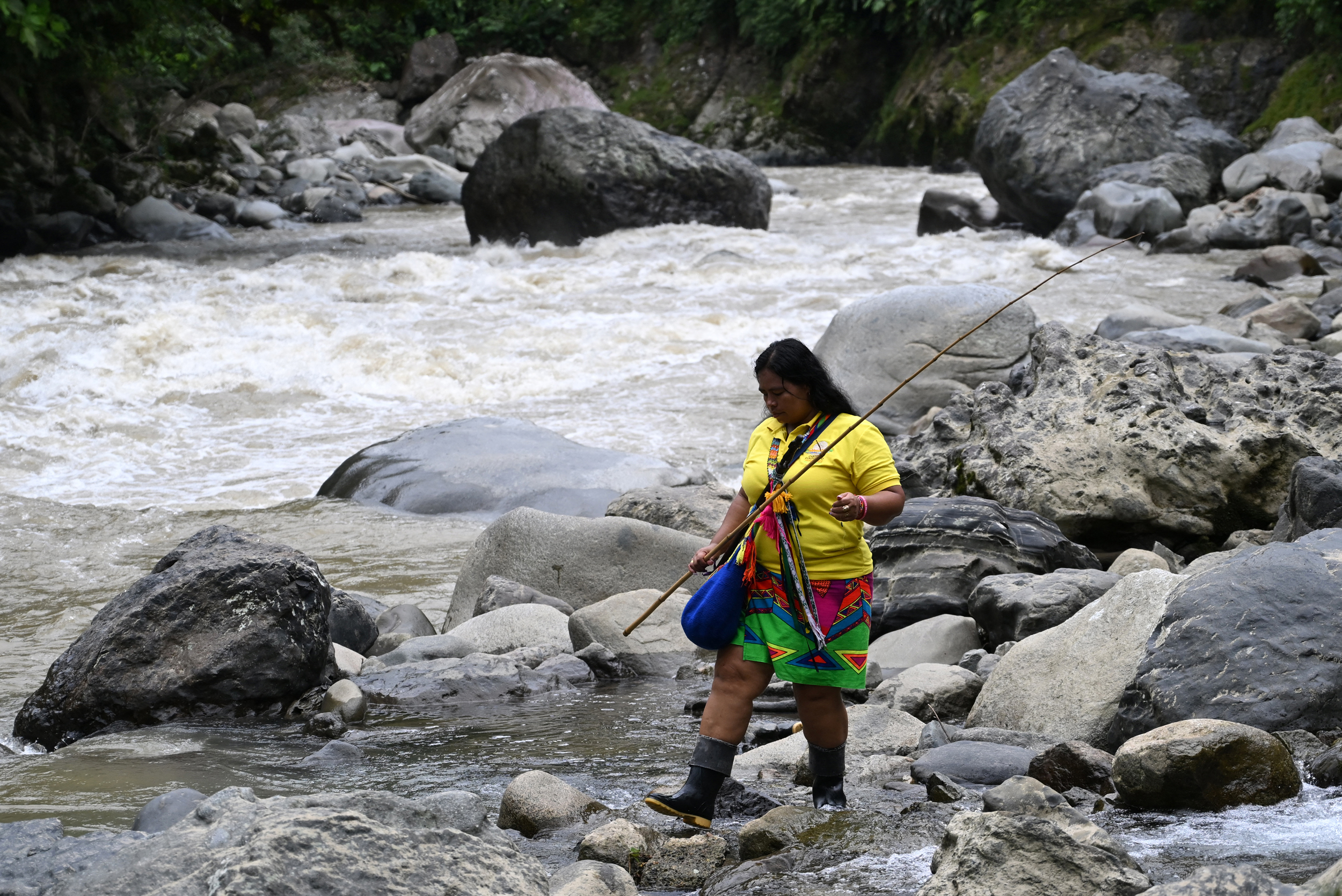
In Colombia, the Constitutional Court recognized the rights of the Atrato river and its tributaries to “protection, conservation, maintenance, and restoration,” ordered the development of restoration plans and created a guardianship system to represent the waterways’ interests. The Atrato flows through the Chocó region, one of the world’s wettest and most biodiverse areas, where the rainforest and rivers shape everyday life. For Afro-descendant and Indigenous communities living there, the river is a living being central to food systems, transport and cultural identity. But it’s long been severely abused by mining, deforestation, industrial agriculture and armed conflict.
According to the report, implementation of the ruling has been slowed by a lack of funding, bureaucratic delays and poor coordination among national and local authorities, even as illegal mining continues to expand across the watershed.
Political will has also been a problem, the report said. That may prove especially difficult in the years ahead. In June, voters elected far-right candidate Abelardo de la Espriella as the country’s next president. He has promoted the expansion of fossil fuel production and mining.
Unlike the Colombian ruling, Bangladesh’s Supreme Court did not specify what rights its rivers had. Instead, it issued 17 directives aimed at curbing pollution, including measures to criminalize water diversion known as river grabbing, and barring offenders from bank loans and public office. Many of those directives were later overturned on appeal, leaving the court-appointed guardian—the National River Conservation Commission, a government body—with limited practical authority.
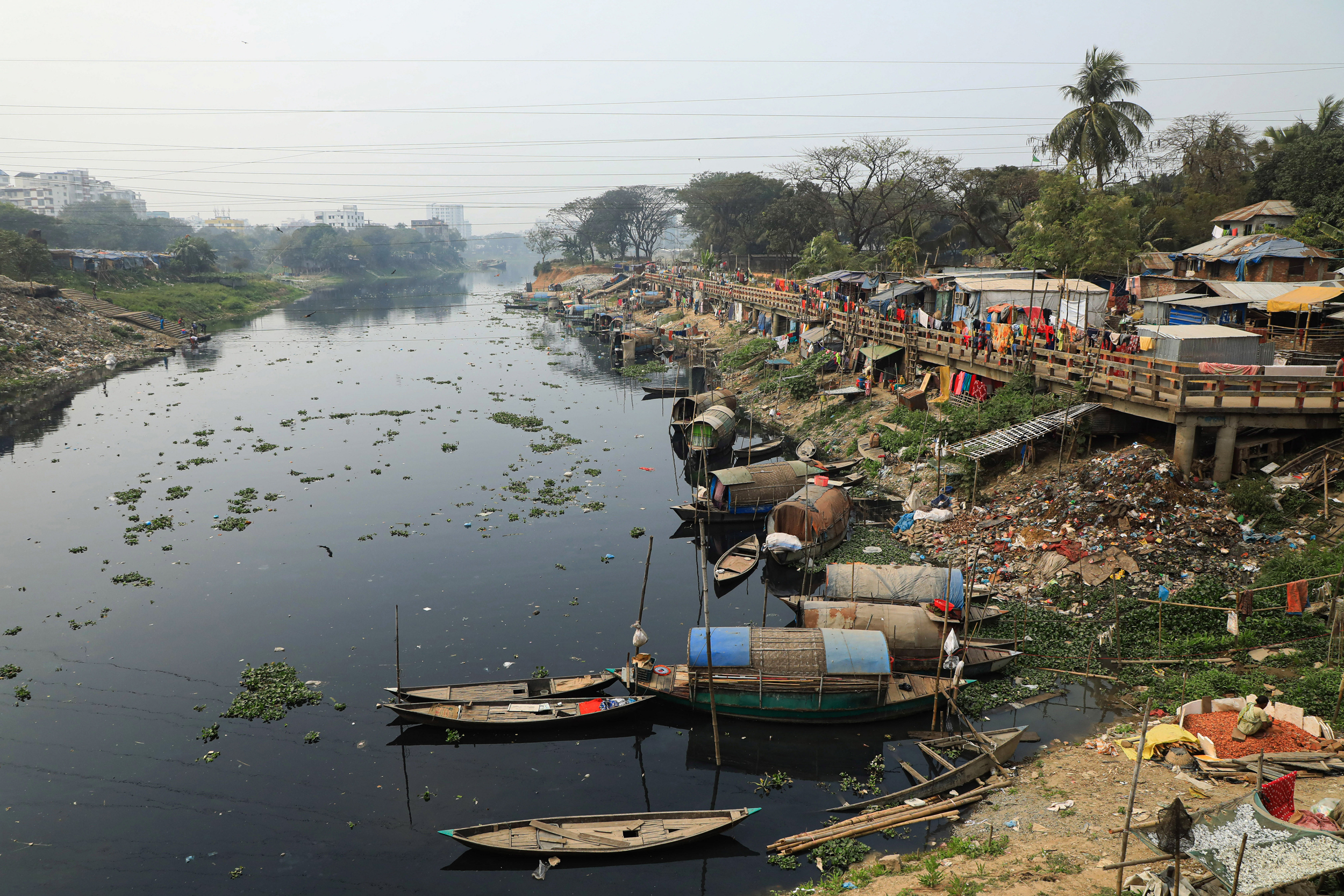
This paralysis hits hard in a nation defined by water. Often described as a land of rivers, Bangladesh contains a large portion of the world’s biggest delta, the Ganges-Brahmaputra-Meghna. The country’s rivers play a central role in its ecological balance and support millions of rural livelihoods.
Across both cases, the authors argue, recognition of the rivers’ legal personhood added responsibilities without resolving fragmented governance structures. The rulings also emerged within legal systems that remain fundamentally human-centered.
In Bangladesh, the report traces that approach back to British colonial-era water policies introduced in the late 18th century, designed to promote agricultural development.
“These policies served to control local rural populations, as well as to generate revenues from the land and its people,” the report said, adding that those principles continue to shape river governance today.
The Stockholm Environment Institute’s findings dovetail with a broader assessment of the rights of nature movement released earlier this year by a U.S.-based advocacy organization.
In its inaugural State of Rights of Nature report, the Community Environmental Legal Defense Fund (CELDF) said that despite the growth in rights of nature laws around the world, climate change has worsened, more species are going extinct and toxic pollution is increasing.
The report notes that the movement has faced fierce pushback from “real-estate developers, mining companies, fossil fuel industries, construction firms, consumer products factories” and governments. In the United States, for instance, several states—Florida, Idaho, Ohio and Utah—have taken steps to block the enactment of rights of nature laws, even when voters overwhelmingly support them.
But the movement has advanced significantly in other places, including in Ecuador, which became the first country to enshrine the rights of nature in its constitution. Since doing so in 2008, Ecuador’s Constitutional Court has revoked mining permits in protected forests. The CELDF report says such moves have drawn significant pushback.
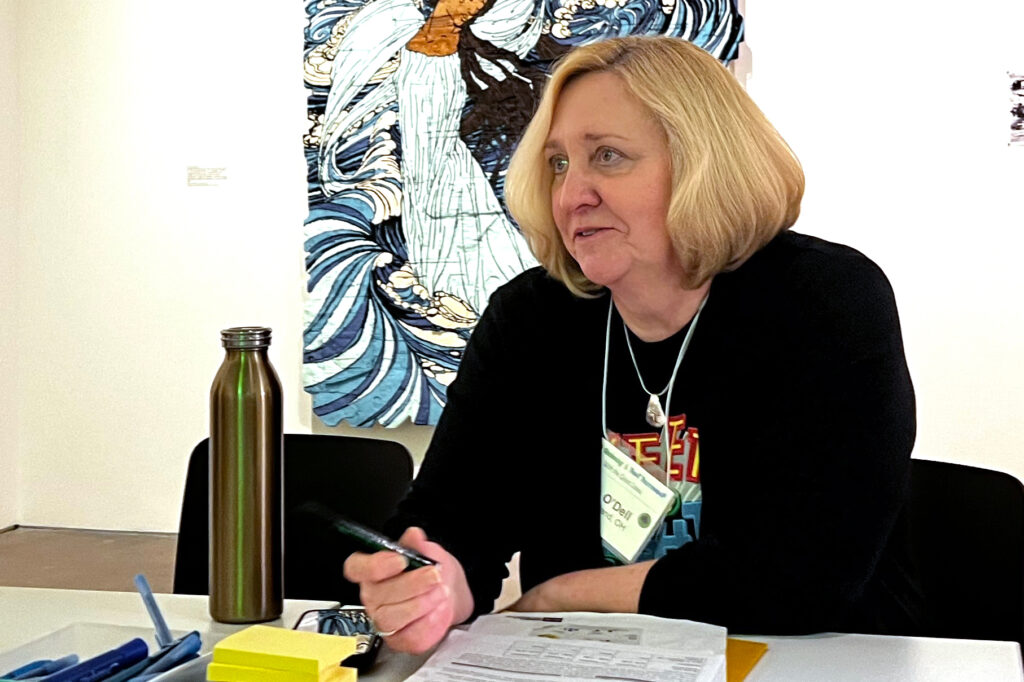
Tish O’Dell, a consulting director at the organization, sees rights of nature laws as “a first step in educating the public about what should be the obvious interconnectedness with nature—but is not because our culture and legal system has severed that connection so well.”
Who Speaks for Nature?
Community participation emerged as a key factor in the effective implementation of the rulings, researchers found.
The Bangladesh court assigned guardianship exclusively to a government commission that researchers said lacks meaningful participation from communities. Dyke said that structure prioritizes top-down technocratic pollution control that has actually taken power away from local communities—many of whom hold rights-of-nature worldviews.
“The emphasis is on reducing encroachment on the river and pollution,” Dyke said about the ruling. “So, when you have communities who live alongside the river in informal settlements, they’re seen as encroaching on the river and polluting it, and they’ve been cleared.”
This story is funded by readers like you.
Our nonprofit newsroom provides award-winning climate coverage free of charge and advertising. We rely on donations from readers like you to keep going. Please donate now to support our work.
Donate NowThe Colombian ruling took a different approach.
The Constitutional Court ordered the government to serve as a legal guardian of the river alongside Indigenous and Afro-descendant communities that inhabit the Atrato basin. Those communities set up a collective body, el Cuerpo Colegiado de Guardianes, to represent people living across the watershed.
The Colegiado has pushed the government to incorporate traditional ecological knowledge into decision making and adapt to what researchers called “territorial realities.” For example, local farming practices follow the rhythms of seasonal rains and floodwaters, allowing soils to recover naturally and reducing pressure on the land.
A community leader and member of the Colegiado told researchers, in Spanish, that the ruling has helped create a more “equal footing” in institutional dialogue, with agencies expected to engage directly in the territory rather than governing at a distance.
One of the greatest achievements, she said to the researchers, has been “ensuring that institutions do not make decisions about the territory from a desk in Bogotá, but rather make them here together with the communities, and that they come and get to know the territory, tour the territory, and listen to the people on the ground.”
Atrato basin communities, however, still lack control over budgets, have limited resources and face “personal risk,” according to the report. Colombia has repeatedly been ranked as the most dangerous country in the world for environmental defenders, with dozens of people killed or threatened annually.
“If rights of nature are to work, they need to be aligned with the local worldview,” Dyke said, “because otherwise the status quo, which in a lot of cases is multinationals, or industrial power, is always going to win out.”
About This Story
Perhaps you noticed: This story, like all the news we publish, is free to read. That’s because Inside Climate News is a 501c3 nonprofit organization. We do not charge a subscription fee, lock our news behind a paywall, or clutter our website with ads. We make our news on climate and the environment freely available to you and anyone who wants it.
That’s not all. We also share our news for free with scores of other media organizations around the country. Many of them can’t afford to do environmental journalism of their own. We’ve built bureaus from coast to coast to report local stories, collaborate with local newsrooms and co-publish articles so that this vital work is shared as widely as possible.
Two of us launched ICN in 2007. Six years later we earned a Pulitzer Prize for National Reporting, and now we run the oldest and largest dedicated climate newsroom in the nation. We tell the story in all its complexity. We hold polluters accountable. We expose environmental injustice. We debunk misinformation. We scrutinize solutions and inspire action.
Donations from readers like you fund every aspect of what we do. If you don’t already, will you support our ongoing work, our reporting on the biggest crisis facing our planet, and help us reach even more readers in more places?
Please take a moment to make a tax-deductible donation. Every one of them makes a difference.
Thank you,