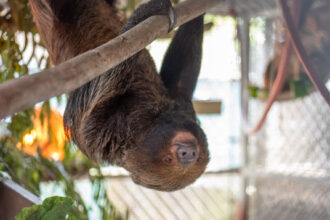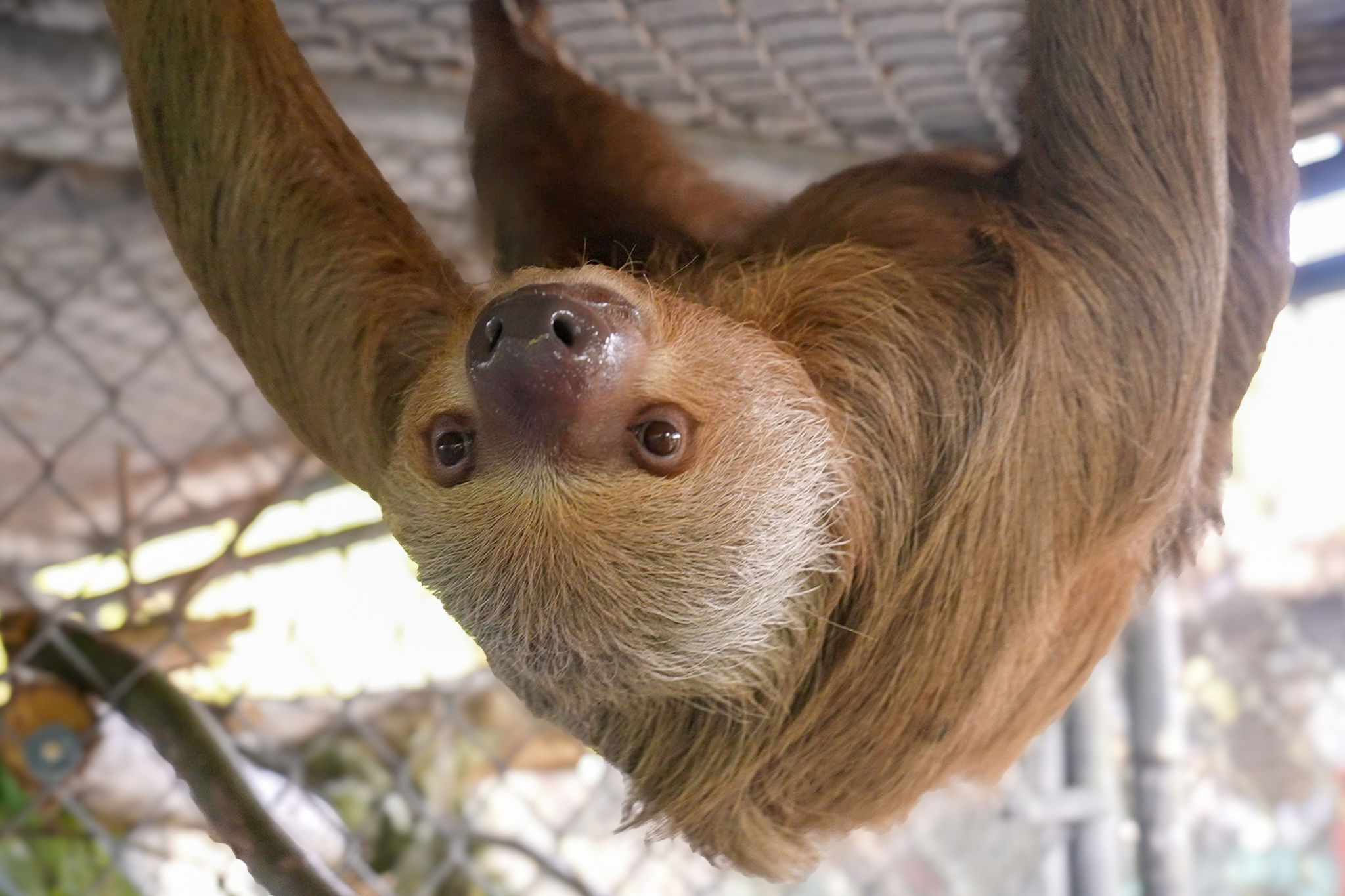


New investigative findings from a Florida sheriff’s office detail the stark conditions of emaciated and dehydrated sloths at a planned tourism attraction where more than 50 of the animals died, including one frothing at the mouth and another that had been lying on the ground for two days, covered in feces.
Even so, the Orange County Sheriff’s Office said Wednesday that it would not bring any criminal charges.
The report’s author, Deputy Aaron Bennett, attributed the deaths at Sloth World in Orlando to problems with the sloths’ health “rather than the result of criminal activity or improper care.”
From the start, Sloth World struggled to care for the animals it imported from the wild, state records show. The initial shipment of sloths arrived at a facility without running water or electricity; space heaters meant to keep them warm failed and left them in the cold for at least one night in December 2024. Despite facility improvements, the death toll mounted over the next 16 months as the company kept importing more sloths.
But Jess Beaulieu, manager of the animal law program at University of Denver Sturm College of Law, said in a written statement to Inside Climate News that Bennett’s finding of no animal cruelty was not surprising because existing laws have a narrow definition of illegal mistreatment of wildlife. In Florida, the definition of animal cruelty includes “unnecessarily” tormenting an animal or depriving it of food.
“Our legal system is incredibly flawed when it comes to the treatment of sentient animals, such as sloths,” Beaulieu said.
Bennett based his conclusion on interviews with Sloth World owner Benjamin Agresta, his former employees, a veterinary forensic pathologist, a sloth care expert and others, along with documents including veterinary records and inspections by the Florida Fish and Wildlife Conservation Commission.
That agency did not intervene to stop Sloth World from importing sloths, more than 60 from Guyana and Peru, even as the animals died in droves. “There was no legal basis for enforcement action or closure,” an agency spokesperson said in an April email.
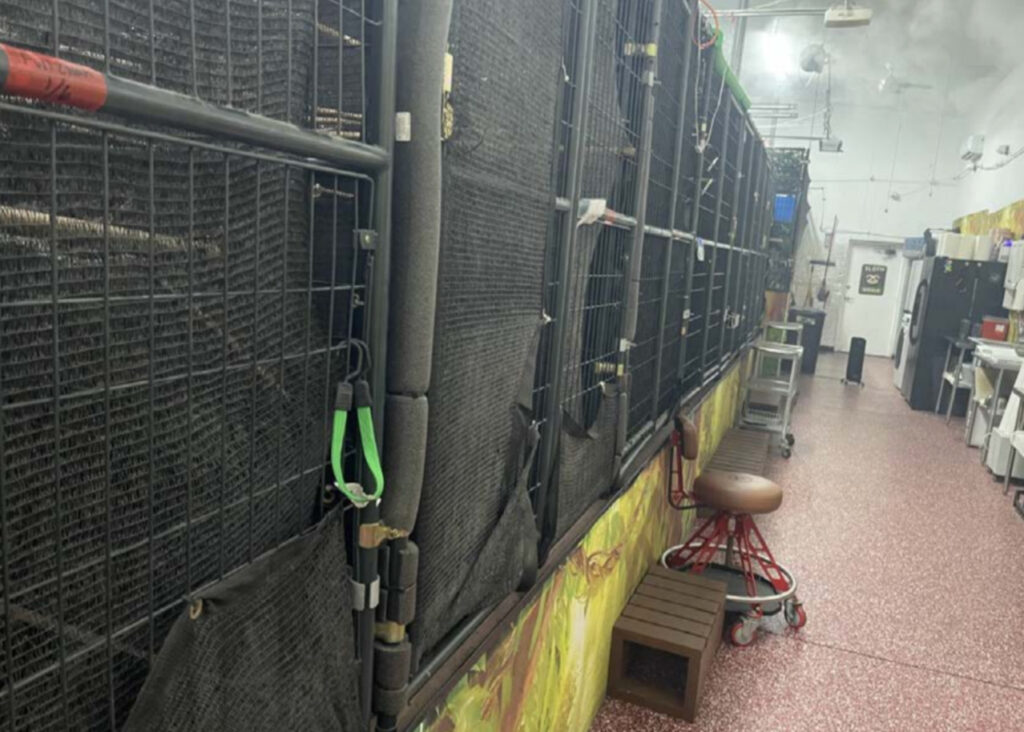
Bennett’s report includes summaries of interviews in which Agresta, his employees and caretakers from a local zoo, who saw the business’ operations this year, said the Sloth World facilities were adequate. But the report also documents concerns about the animals’ care.
Eight days after an April Inside Climate News investigation revealed the deaths at Sloth World, the 13 remaining animals were transferred to the Central Florida Zoo & Botanical Gardens. The zoo’s chief veterinarian told Bennett that, after reviewing the sloths’ medical records, it appeared that many of the animals had been overmedicated. Other zoo employees told Bennett the animals were in extremely poor health—five died after arriving at the zoo.
The tree-dwelling mammals endemic to the tropical forests of Central and South America have very specific biological needs. Their unique metabolisms and low body temperatures make it difficult for them to tolerate environmental and dietary changes, human encounters and other forms of stress.
This story is funded by readers like you.
Our nonprofit newsroom provides award-winning climate coverage free of charge and advertising. We rely on donations from readers like you to keep going. Please donate now to support our work.
Donate NowAt least one of Sloth World’s veterinarians had no prior experience with sloths when she was hired, the sheriff’s office report noted.
That veterinarian told state authorities that the company, which never opened to the public before closing, expanded too quickly while failing to get control of disease problems, the report said. The vet also told officials that Sloth World was overusing Pedialyte, an electrolyte drink made for humans, to treat the animals.
The head curator of the Orlando Science Center, who helped transfer Sloth World’s remaining 13 animals to the local zoo in late April, told Bennett that she saw no food or water available to the animals inside Sloth World’s facilities. The sloths appeared dehydrated and lethargic, she said, and one had diarrhea.

Agresta told Bennett that he had intentionally remained removed from animal care operations at Sloth World because that was the role of others on staff, according to the report. But by April, after several employees had resigned, only Agresta and his fiancée were responsible for sloth care, the report said.
Agresta denied that he intentionally mistreated or neglected the animals, according to the report. Peter Bandre, Sloth World’s head animal caretaker and importer, told the sheriff’s office that he never believed neglect or inadequate care caused the sloth deaths.
The report does not explain what conduct would constitute animal cruelty under Florida law. It also contains little analysis about how Bennett reached his conclusion that there was no basis for animal cruelty charges.
“No evidence was discovered indicating intentional harm, abuse, criminal neglect, failure to provide necessary care, or any deliberate act or omission by facility personnel that contributed to the deaths of the animals as required by Florida State Statutes,” the report says, adding: “No further investigative action warranted at this time.”
Asked to elaborate on the report, including how 50 wild sloths could die at a commercial business without legal consequences, a spokesperson for the Orange County Sheriff’s Office declined to comment.
“Our investigation is closed,” the spokesperson said in an email. It’s up to state prosecutors to decide on any next steps.
Beaulieu, the law professor, called the situation “a gross miscarriage of justice for these sentient beings.”
“These sloths were taken from their homes in the wild, confined, and shipped to another country like inanimate objects,” Beaulieu wrote in her email. “They must have experienced severe distress and agony throughout this process.”
About This Story
Perhaps you noticed: This story, like all the news we publish, is free to read. That’s because Inside Climate News is a 501c3 nonprofit organization. We do not charge a subscription fee, lock our news behind a paywall, or clutter our website with ads. We make our news on climate and the environment freely available to you and anyone who wants it.
That’s not all. We also share our news for free with scores of other media organizations around the country. Many of them can’t afford to do environmental journalism of their own. We’ve built bureaus from coast to coast to report local stories, collaborate with local newsrooms and co-publish articles so that this vital work is shared as widely as possible.
Two of us launched ICN in 2007. Six years later we earned a Pulitzer Prize for National Reporting, and now we run the oldest and largest dedicated climate newsroom in the nation. We tell the story in all its complexity. We hold polluters accountable. We expose environmental injustice. We debunk misinformation. We scrutinize solutions and inspire action.
Donations from readers like you fund every aspect of what we do. If you don’t already, will you support our ongoing work, our reporting on the biggest crisis facing our planet, and help us reach even more readers in more places?
Please take a moment to make a tax-deductible donation. Every one of them makes a difference.
Thank you,

Katie Surma
Reporter, Pittsburgh

Kiley Price
Reporter
Kiley Price is a reporter at Inside Climate News, with a particular interest in wildlife, ocean health, food systems and climate change. She writes ICN’s “Today’s Climate” newsletter, which covers the most pressing environmental news each week.
She earned her master’s degree in science journalism at New York University, and her bachelor’s degree in biology at Wake Forest University. Her work has appeared in National Geographic, Time, Scientific American and more. She is a former Pulitzer Reporting Fellow, during which she spent a month in Thailand covering the intersection between Buddhism and the country’s environmental movement.