

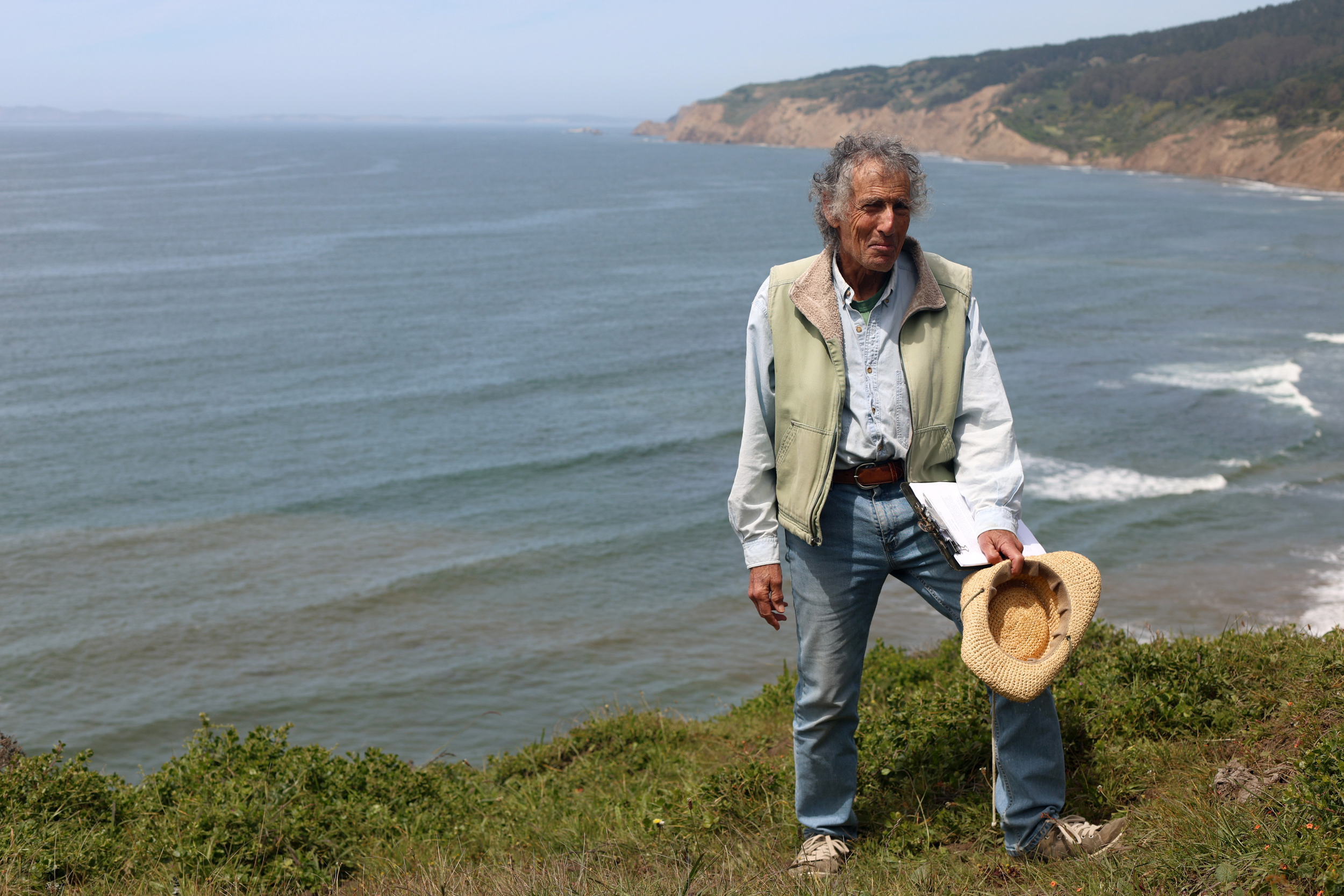
BOLINAS, Calif.—Kent Khtikian pointed at a seemingly barren inch of reef. His hair, curly, long and grey blew wildly in the wind underneath a tan cowboy hat. He hunched over and kneeled close to a tiny tide pool, observing how a small, black periwinkle snail wiggled its way into a protected corner of rock.
Khtikian has lived in this small Marin County town of Bolinas since 1986, a stone’s throw away from Duxbury Reef—one of the largest shale reefs in North America, nearly two miles long. He is, in many ways, the local face of protecting Duxbury, spearheading a volunteer program to educate visitors about the reef.
In a raspy, quiet tenor he carefully repeats the latin names of the invertebrates that creep and wash along its shoreline—tegula funebralis, littorina littorea, mesoglossis intermedius, lottia.
Duxbury’s accessible and diverse sea life has made it a widely loved biological curiosity, as a dizzying array of anemones, worms, slugs, crabs, algae, urchin and more supports a complex food web. Bolinas is intimately shaped by the slab of rock which attracts tourists, school groups and fishermen. Many come up from San Francisco and the greater Bay Area to marvel at its tidepools.
But an ongoing debate over the reef’s future has torn apart many Bolinas residents and others who love the region. Some are fervent in their belief that the reef needs to be protected further, while others rebuff those efforts. The conflict is tearing at community bonds. “It’s been quite painful,” said Khtikian.
Duxbury Reef is one piece of California’s historic Marine Protected Area network, a series of 124 underwater parks established to increase biodiversity across the state. The network itself is hotly contested, with proponents pointing to its ecological and climate benefits while distrust among fishermen over lost fishing grounds has built over time. Now, over a decade after the network’s establishment, the Department of Fish and Wildlife and state Fish and Game Commission is fielding a set of proposals to amend the network, which covers 16 percent of state waters. The process that has taken more than three years and has left stakeholders—fishermen, environmentalists and policy-makers—disillusioned by years of compromise and negotiation.
In Bolinas, new regulations could eliminate fishing altogether at Duxbury reef.
Proponents of increased protections at Duxbury, like Khtikian, who helped lead the effort, worry that a rising number of visitors and climate threats warrant more regulations. Commercial and recreational fishermen express fear that their last accessible fishing grounds are trickling away. Many contest if the reef is in decline and warrants more protections at all. On all sides, emotion and anger drive arguments and fear and rumors have made many reluctant to take sides or speak out.
The state is expected to vote on a number of the petitions to alter the network, including Duxbury, in August.
Death by a Thousand Cuts
An hour outside of San Francisco, homes sit perched against the sea and green farmland melts into a protected estuary. Bolinas, population 1,334, is an amalgamation of fisherman, ranchers, artists, organic farmers, surfers, retirees and hippies.
For Jeremy Dierks, commercial fishing is all he has known. He grew up in Bolinas, pokepoling at Duxbury Reef—a process in which he’d poke a pole with a hook and short line on the end into a crevice to catch eels. Dierks would eventually graduate to fishing by hook and line in the open ocean on his first boat, a 17-footer named The Tern, like the seabird.
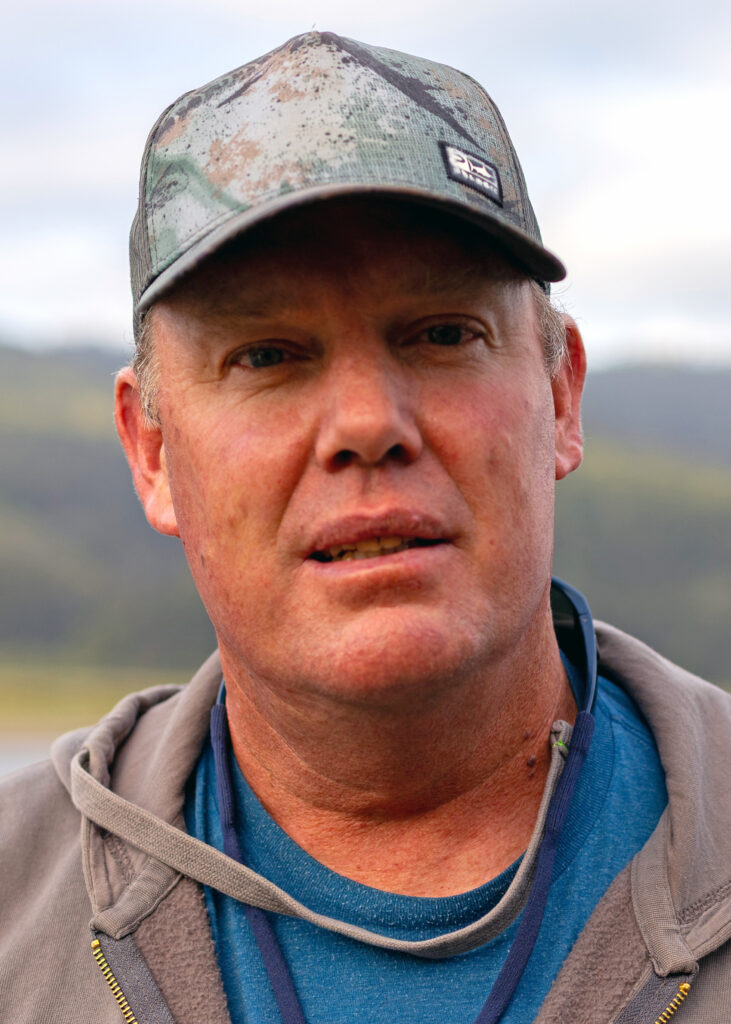
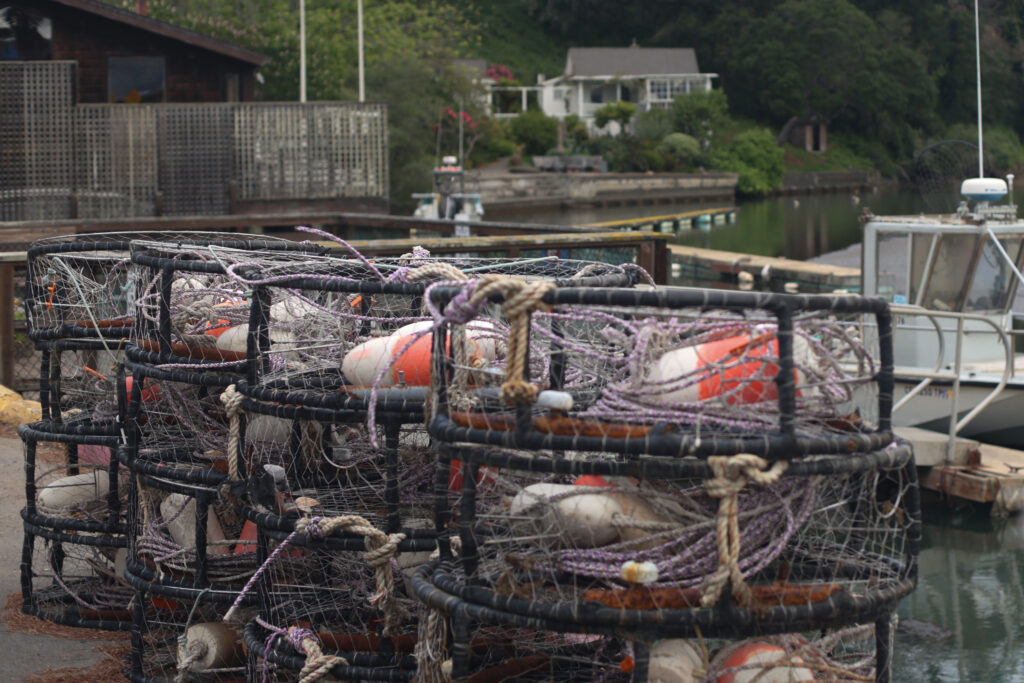
Shortly after high school, he began fishing commercially full time, still by hook-and-line, with six rods off his boat. This small-scale form of fishing, in Dierks’ view, is more sustainable than that of the commercial ships that move up and down California’s waters, collecting bycatch in nets.
But Dierks hasn’t fished full time in years as regulations have tightened his fishery access. “ They call it a death of a thousand cuts,” he said.
In 2012, California created one of the largest networks of Marine Protected Areas in the world. Set in motion by the Marine Life Protection Act of 1999, the parks were established to increase biodiversity off California’s coast, all while balancing public use. The process, which many stakeholders say was stressful and traumatic, saw two failed starts, sparking debates over fishing-ground closures and ecologically sensitive areas. Academics have studied it. Books have been published about it. The whole thing cost the state $18.5 million.
Since then, the network has shown signs of progress, earning it the gold standard for success by the International Union for Conservation of Nature. In its 10-year review of the network, legally mandated and published in 2023, the Department of Fish and Wildlife said that, broadly, the system is working to increase biodiversity across the state. The review found that rocky intertidal habitats designated as marine protected areas—like Duxbury Reef—showed higher species diversity than sites that were not protected. These intertidal zones were also able to brave marine heat waves, an ongoing threat to the West Coast, more successfully than their unprotected counterparts.
Fishery-specific success has also been demonstrated. Species usually targeted for fishing show that their biomass increases in protected areas. Fish spillover has also been documented in certain regions and fisheries, including for California spiny lobster and rockfish, where the abundance of fish increases within a marine protected area and expands outward into the surrounding, unprotected ocean.
But success does not preclude controversy.
The state’s review found that commercial fishermen are generally dissatisfied with protections and believe marine protected areas have had a negative effect on marine resources, their well-being and livelihoods. This undercurrent of dissatisfaction has bubbled up once again in the debate over amending the network.
In December 2023, the state received 20 petitions for change from the public. Of those, some sought to open up fishing access in protected areas, while a few aimed to create new ones. Five of the petitions requesting small alterations to the network, like updates to outreach maps were approved or denied early in the process. Another five proposals, sponsored or co-sponsored by Native American tribes, are undergoing review through a tribal committee.
The remaining 10 petitions sought to make large-scale changes to the network, surprising regulators by their scope and scale. These proposed changes, like the creation of new protected areas, have lagged for years and taken significant resources to sort through.
But in the spring of 2026, the Department of Fish and Wildlife officially released its evaluations—unexpectedly issuing a full-scale denial of nearly all of the 10 proposals. Duxbury was the only proposal which was granted partially. All other petitions to significantly reclassify regions, increase or reduce protections were denied.
The Department manages the state’s marine resources, but the ultimate decision to update the network is up to the California Fish and Game Commission, which makes the law. The commission can ignore the department’s recommendations if it wishes (though this is rare). Its members have spent the last few months traveling up and down the coast, seeking public feedback on the petitions at regional meetings.
Here, conservation, commerce and recreation interests have come to a head, and many residents of Bolinas feel left on edge. At Duxbury reef, the Department recommends the commission extend the protected area’s boundaries.
For Dierks, this threatens access to what remains of his dwindling fishing grounds.
Five fisheries make up the bulk of his business: Crab, salmon, halibut, tuna and rockfish. In 2012, the original marine protected area process was, for him, the “beginning of the end.” He lost what he estimates to be 50 percent of his halibut grounds to the creation of a nearby state marine reserve and state marine conservation area in Point Reyes. A shortened crab season and changing gear restrictions led Dierks to sell his permit this year and a multiyear closure of the state’s salmon season has pushed him near the brink.
“I never thought it would come to this,” Dierks said.
A portion of Dierks’ halibut grounds remain along the northern and southern extensions above and below Duxbury reef, where fishing restrictions could be extended and end his access. The northern extension, which overlaps with a wilderness area and commercial fishermen, like Dierks, frequent the most, technically restricts all motorized boat and vehicle use, a regulation that appears to be largely unenforced. Regardless, restricting fishing through the marine protected area process could completely close the fishery to motorized and non-motorized fisherman alike.
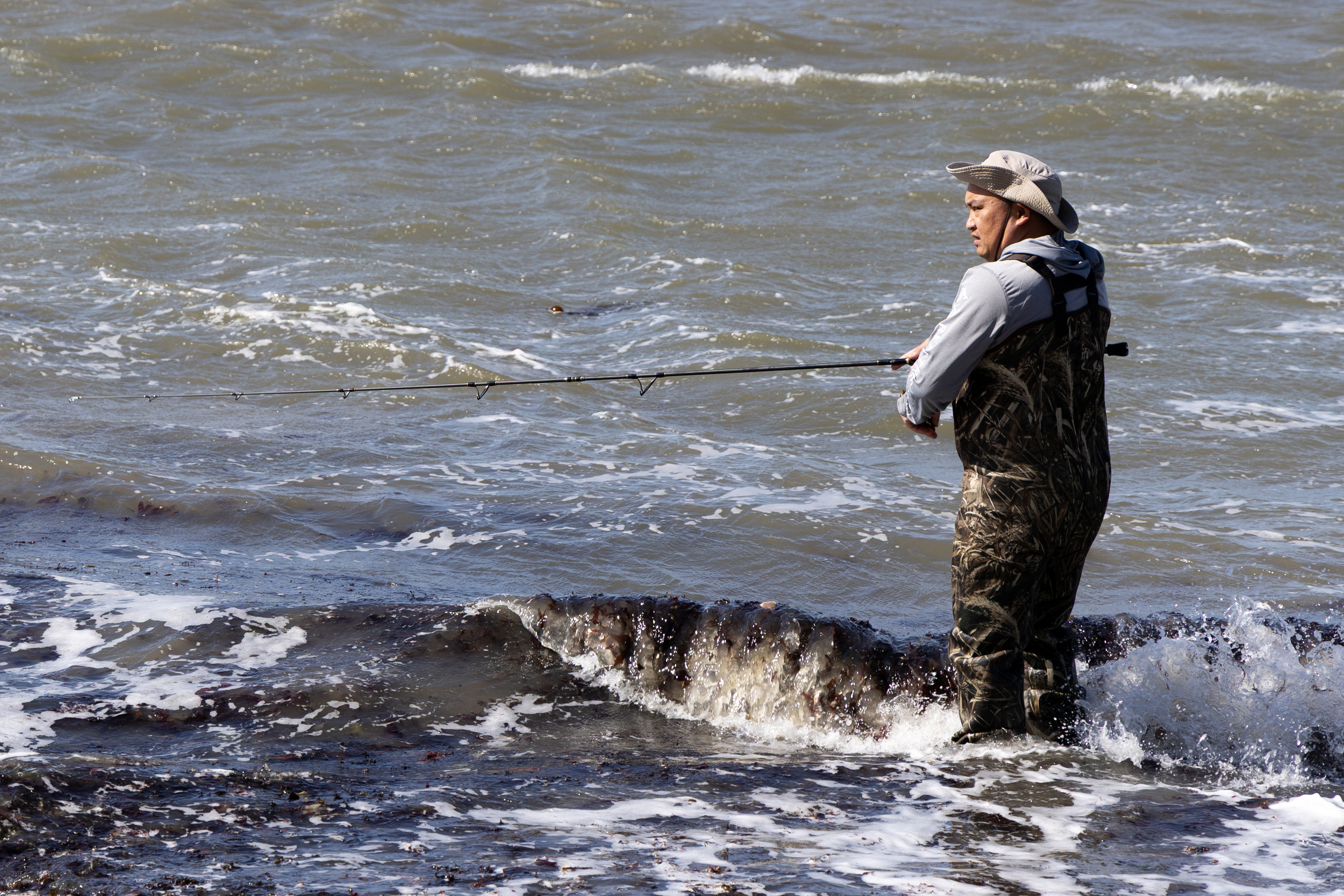
Of the roughly six commercial fishermen in town, Dierks estimates that three fish the region from Bolinas. Their boats are small, edging close to where the tide breaks, searching for where the halibut hide.
The Petition
For fishermen like Dierks and many long-time Bolinas residents, opposition to extended protections at Duxbury stem from a growing sentiment that outside interests and regulation are changing the coastline.
“We’re in crisis mode,” said Mollie Lounibos, co-founder of Save Duxbury Access, a group formed in opposition to the petition. “There’s this sense of urgency across West Marin that this is the last stand.”
In this stretch of the California coast, vestiges of commercial operations on sea and land have been winnowed out by legal and regulatory processes beyond establishing the marine protected areas. A long-standing oyster farm lost its legal battle to stay in a nearby protected wilderness in 2014, and recently, cattle operators in the same region, The Point Reyes National Seashore, received $2.5 to $3 million-dollar settlements to move off of their land after the Nature Conservancy filed a lawsuit.
While Duxbury reef and the marine protected area process are entirely separate from these changes, the fear of further encroaching regulation is ever-present.
In 2023, the Environmental Action Committee of West Marin, a small, longstanding nonprofit located in Point Reyes Station, submitted a petition to expand protections of Duxbury south and north to cover the entirety of the reef and to ban fishing altogether in the protected area. The action committee sought to protect the reef due to overuse and climate concerns.
“Our oceans are dying by a thousand cuts,” said Ashley Eagle-Gibbs, the committee’s executive director, using the same metaphor Dierks chose to describe his fishery access. “Sea level rise, ocean acidification, warming temperatures.”
Despite being headquartered less than 15 miles from Bolinas, residents characterize those on the action committee as “outsiders.” Some believe the organization did not properly engage or inform the tight-knit community of its plans.
“I think they absolutely blew it on the strategy. They were not respectful to the community. They did not build relationships and that’s what they need to do,” Laura Miller, a longtime volunteer and continued supporter of the action committee, said of its leaders.
The initial petition for expanding Duxbury Reef bore over 100 signatures and letters of support—many from Bolinas residents, others from members of environmental organizations or nearby towns. Filed in 2023, the proposal circulated as a rumor for some; others read about it in the local and regional newspapers. As time wore on and the deadlines for petition evaluations drew near in 2025, opposition mounted.
Emotions and anger muddied facts. False rumors about limitations to public access, like locals losing their ability to walk their dog on the beach, spread. Fishermen became angered by the extended boundaries. Some local representatives pulled their support for the proposal. Other community members retracted their sign-ons to the petition altogether. Save Duxbury Access collected over 600 signatures in opposition to the Action Committee’s proposal.
“ You have to enter into something like this realizing that you’re gonna strike out,” Khtikian said. But, he expected that the proposal would be supported by the community.
“… What I didn’t realize was how venomous and vociferous and energetic would be the opposition and how willing they would be to, let’s just say stretch truth and play on fear-mongering,” he said.
Some fishermen wrote letters in support of the proposal. Josh Churchman, a long-time commercial fishermen in Bolinas, supports increasing protections on the reef itself, but retracted his support after realizing protections could impact offshore fishing.
“You can see which species is disappearing and it isn’t the fish, it’s the fishermen,” he said. “ If you get rid of five guys, there isn’t an issue anymore because that’s the last of us.”
When Khtikian brought the concept of the petition forward to the committee at the outset, he requested that the group have zero offshore limitations for the north and south extensions. “I’m concerned with protecting the invertebrates and the fish that live in the tide pools,” not the offshore fishermen, he said. Ultimately, his suggestion was not heeded and his push to protect the reef fractured long-standing friendships.
“All I was trying to do was protect a resource,” said Khtikian, who supports amending the petition to not impact offshore fishermen, but hopes the commission extends reserve protections to the north and south in order to include the entirety of the reef.
The Compromise
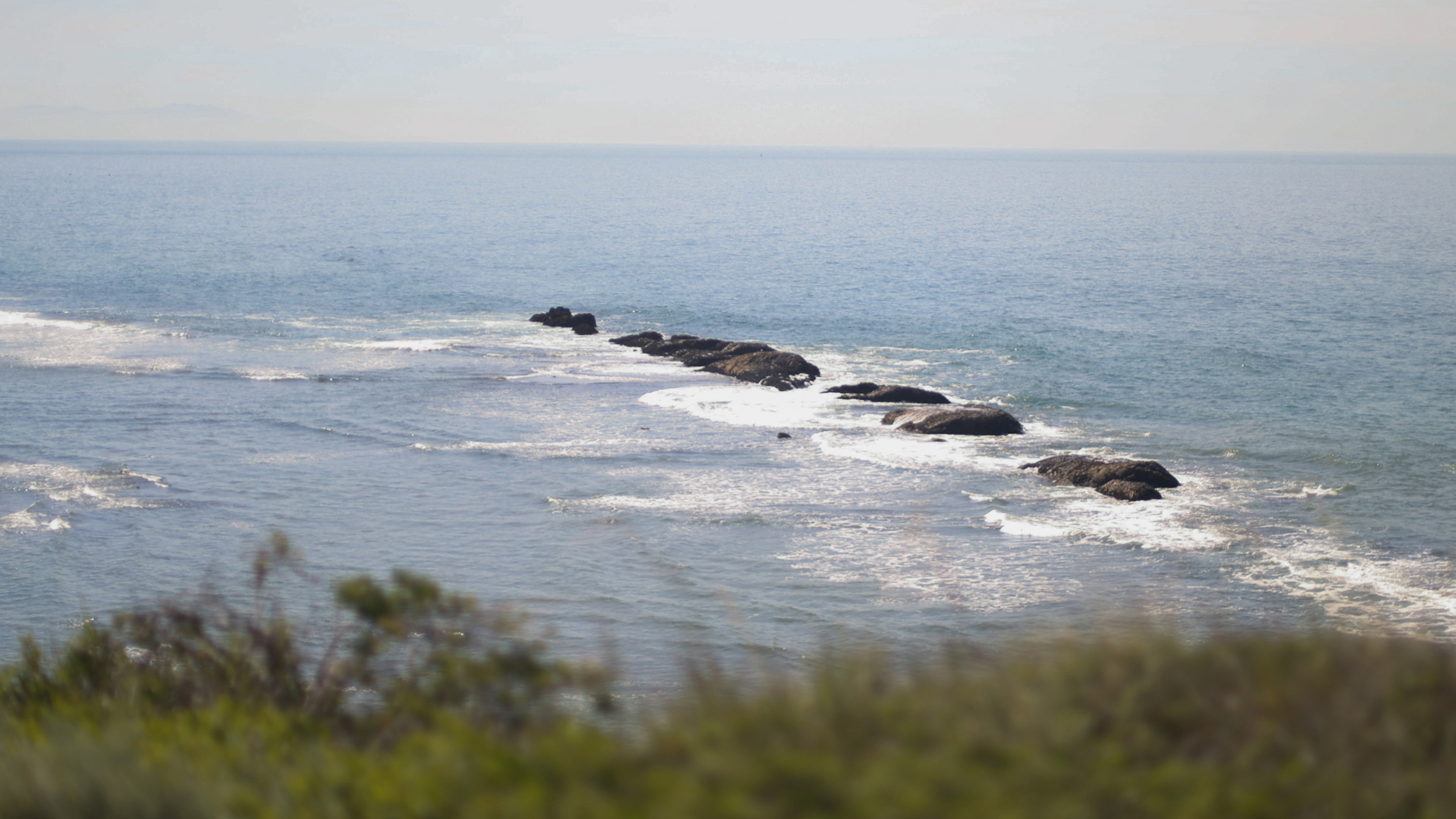
Setting aside fear and debates of further protection, there is no doubt that Duxbury is unique. Rocky intertidal habitats make up less than 5 square kilometers, equivalent to 3.5 miles of California’s 1,100 mile coastline. This makes rocky intertidal zones the rarest coastal ecosystem type in the state.
“It’s really one of the premier intertidal areas on the central California coast,” said Terrence Gosliner, senior curator at the California Academy of Sciences. Gosliner has spent much of his career studying nudibranchs (colorful sea slugs) at Duxbury. “It’s an area of overlap between a lot of species that are found farther to the north and species that are found farther to the south,” he said, acting as an important biodiversity hot spot.
While Gosliner believes the marine environment at Duxbury is “stressed,” characterizing the health of the reef through available scientific data is difficult, a challenge at the heart of the conflict over increasing protections. Some say existing data shows a healthy reef. Others say there is not enough data to make a decision on its protections at all, and still others say that anecdotally, they have witnessed decline.
This conflict is far from unusual. The Fish and Game Commission is lucky to have “30 or 40 percent” of the data that it would like to have when making any decision, said Eric Sklar, the commission’s president. “We have to make decisions on incomplete data,” he said. The studies that do exist for Duxbury are limited and difficult to understand at face value.
One program MARINe, collects baseline information of 200-plus intertidal sites across the temperate West Coast. Some sites are sampled every year and some intermittently, like at Duxbury. A complementary program, LiMPETS, a citizen-science project that collects data on intertidal ecosystems in California, provides, in the case of Duxbury, more data points for analysis, said Pete Raimondi, a professor of biology at UC Santa Cruz and the scientific lead of MARINe.
According to the 10-year review, MARINe data shows that some species have increased over time, while others have declined at Duxbury, which is in line with “statewide trends” and reflects “the inherent variability of rocky intertidal populations.” The LiMPETS data, which was not used by the state in its 10-year review, appears to show fluctuationing but relatively stable trends across species at Duxbury as well.
Overall, available data on a site’s health is only one piece in making a decision about a marine protected area. An area does not need to be in poor health or decline to receive protections. “It’s much more complex than that,” said Sklar. At their core, marine protected areas were established to enhance biodiversity across the coast. Increasing protections in one area, for example, might positively impact another regardless of decline in a single spot. “It’s not about a single marine protected area, it’s about the whole network,” he said.
The commission will also consider an area’s impact to not only fisherman and foragers, but also “non-consumptive” users like surfers, hikers and tidepoolers. Non-consumptive activities are rarely, if ever, impacted by protections and made up 96 percent of use at Duxbury reef in 2025, according to MPA Watch Data. At Duxbury, said Sklar, “changes would make a significant improvement in biodiversity there without changing the ability of that community to enjoy and access the reef.”
Complicating matters is that Duxbury, and marine protected areas across the state, are not immune from pressures, like climate change, that act outside their boundaries. This makes pinpointing the source of a decline in an ecosystem difficult, Gosliner said. Reducing the impact of the stressors you can control, like fishing, can increase resilience and lead to a “greater likelihood that things are going to bounce back,” he said.
Still, many fishermen would like to see scientific studies that show if their footprint, which they see as small, is harming Duxbury specifically. Without that information, fishermen like Chris Martinelli, husband to Lounibos and co-founder of Save Duxbury Access, would like to see petitioners focus on things that are “verified as threats to the habitat [at the reef], versus just blanket closures of fishing.”
Regardless of how deeply the new protections may or may not harm or benefit the reef itself, the pain and pushback against the petition represent a larger sentiment: Fishermen and community members feel that they have given up fishing grounds over time—especially through the first MPA process—with little to show for it. “ We’ve compromised and each time we lose ground.” Martinelli said.
The Environmental Action Committee has softened its aspirations since it submitted its petition in 2023. The committee originally hoped that fully banning recreational fishing at the reef would remove any confusion over what visitors could harvest. And while research does show that complete or very high protections increase the success of marine protected areas, the department determined there was not sufficient evidence to say that confusion was causing increased harm to the reef, and if it were, that alternative solutions to a full fishing ban could be found.
This story is funded by readers like you.
Our nonprofit newsroom provides award-winning climate coverage free of charge and advertising. We rely on donations from readers like you to keep going. Please donate now to support our work.
Donate NowThe Environmental Action Committee has amended its stance to align with much of the department’s recommendation, to allow for non-commercial hook and line fishing from the reef, and responding to town pushback, has proposed that the department shrink the extended boundaries in the north and south to ensure that offshore fishermen are not impacted. In the newly protected areas, foraging activity, including the harvest of mussels and kelp, will be illegal. The department has signaled that it supports amending the petition to reduce its impact on commercial fishermen.
While the compromise has the opportunity to eliminate, or greatly lessen, impacts to shore and offshore fishermen, community members like Dierks are disillusioned and reluctant to accept the proposal at all. “No, you didn’t compromise,” he said of the action committee. “Because it was never yours in the first place.”
Statewide Stress and Equity Shortfalls
On April 21, a large crowd gathered at the San Mateo Elks lodge, an outdated building ornamented with taxidermied animal heads and dark wood paneling. This was the first of a series of three meetings across the state where the commission would hear public comments on marine protected area amendments. Many petitioners, including about 30 from Bolinas, had driven the hour-and-a-half from the coast to deliver two minutes of testimony. Most spoke in opposition to the Duxbury petition and the process itself, angry and uncertain.
“Many of us have been working nonstop after hours and on weekends to navigate the statewide process and to figure out how to have our voices heard. That has meant losing sleep, missing games and birthdays, living with skyrocketing stress,” Lounibos said at the meeting.
The turmoil felt over Duxbury is not unique. “Marine protected areas are by far the most controversial thing and polarizing thing that we work on,” Craig Shuman, the California Department of Fish and Wildlife’s marine region manager, said at a public meeting in April. The strained engagement, in part, can be attributed to how the amendment process is structured, petitioners said.

The submission window for the petitions “happened under a very compressed timeline,” Shuman said, opening in late August 2023 and closing in late November and December of the same year. “Many of the petitions were not fully fleshed out and did not have meaningful engagement with tribes and community members at the time of submission,” he said.
As the process continues, frustrations persist. “[It’s been] like building the plane as you’re flying it,” Sandy Aylesworth, director of the Pacific initiative for the Natural Resources Defense Council’s Oceans Program, said.
Overall, the state took a backseat during the initial petition cycle. The amendment process was meant to provide opportunities for “incremental improvements” to the existing network through an “adaptive management” process, said Sklar, president of the Fish and Game Commission.
Instead of evaluating the network and introducing the changes it sought itself, the state solicited what it hoped would be small-scale changes from stakeholders. “It seems like no one wanted to be the bad guy from the state, so they put the onus on the public to submit petitions for change,” said Anupa Asokan, founder and executive director of Fish On, an environmental justice and fishing-focused nonprofit.
Once the public submitted petitions, though, state officials were caught off guard. Instead of the incremental changes they expected, the department received many proposals for large-scale changes, like those at Duxbury. “We were surprised by the scale and scope of our proposals that were received. It’s not what we had envisioned,” Shuman said.
As a result, the department took years to wade through the unexpected enormity of the proposals, and in completing its process, still left pieces missing. In April 2026, the Department announced that it did not have the expertise or skills to complete a justice, equity, diversity and inclusion, or “JEDI,” analysis, a move which drew steep criticism and anger. This left the Fish and Game Commission scrambling to complete its own analysis in the remaining spring and summer months to inform their vote.
“I saw this whole adaptive management process as the real opportunity to recognize, understand, and do better by communities that are consistently left out of decisions about our ocean and it seems like every single person in power has stopped it along every step of the way,” said Asokan.
Looking at the Same Thing, but Seeing Differently
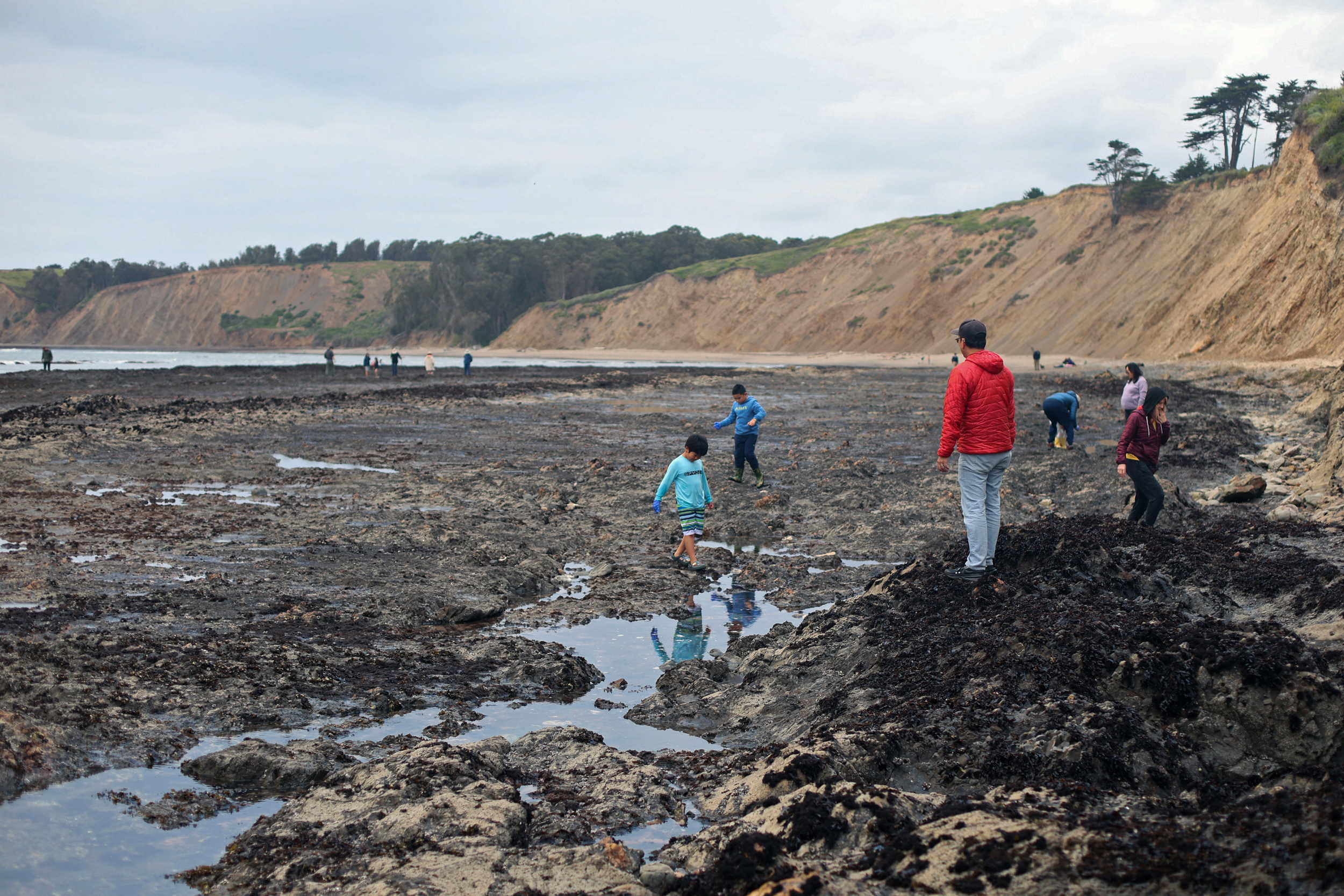
Back at Duxbury reef, the tide retreated. A class of biology students scrambled across the rock, hopping between pools and channels of water as the tide began to move in. They stepped carefully, burdened by clunky rubber boots. The students placed specimens in a large plastic bag—kelp, clams, vella vella—to study in a tank a mile away at the local marine lab.
Nearby, a small crowd of visitors hummed. A woman walked her dog at the upper part of the reef and a family huddled around a tidepool, as two small children pointed excitedly and dipped their hands into the water.
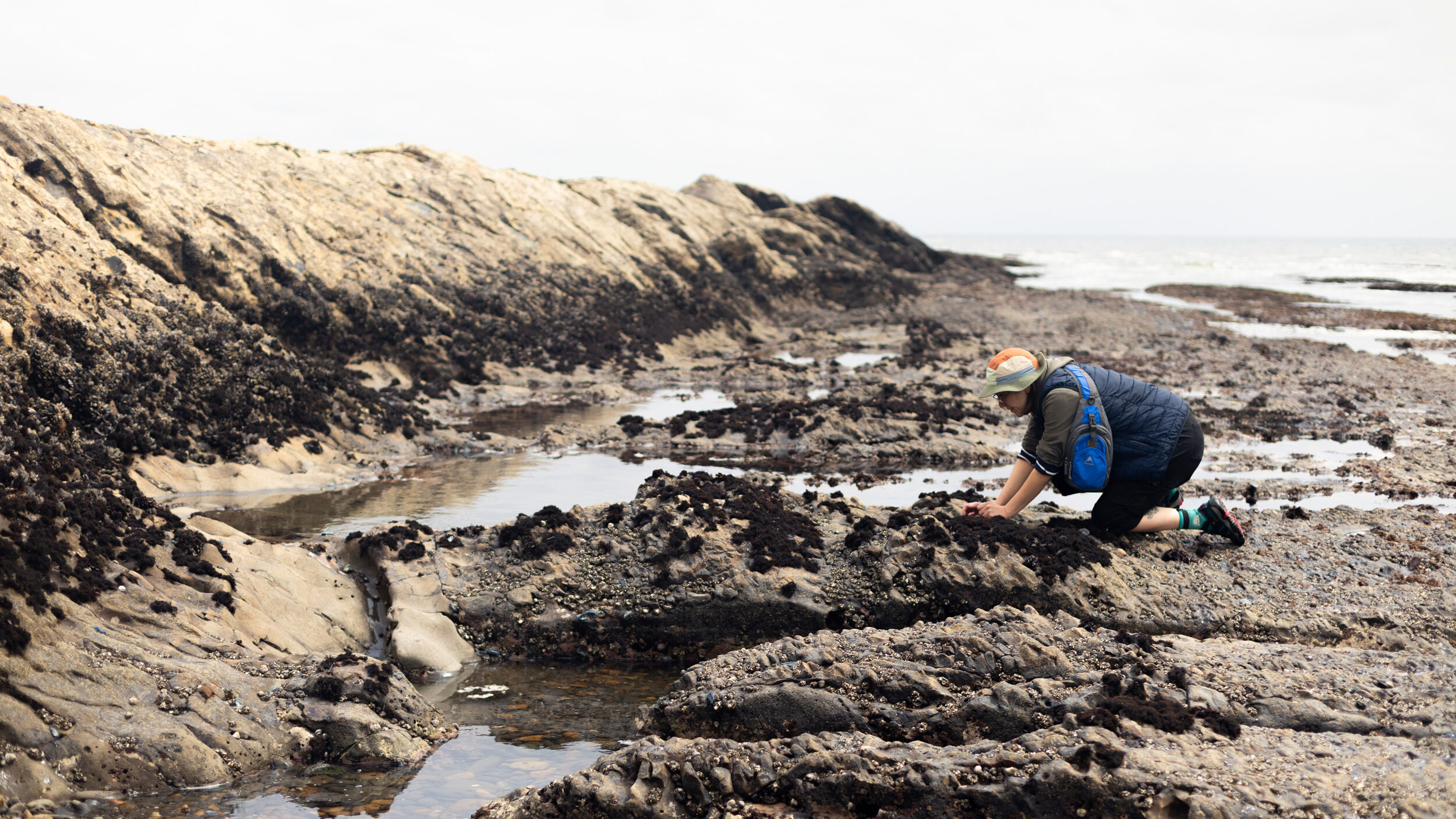

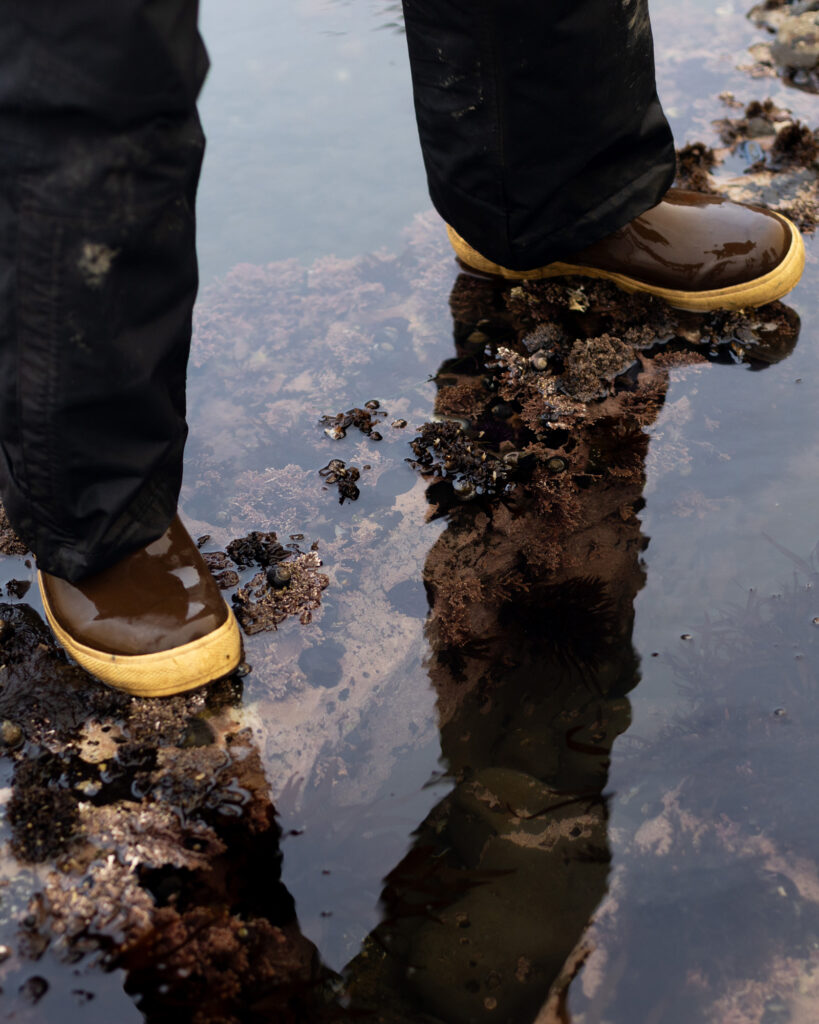

A biology class visits Duxbury Reef on April 25. Credit: Claire Barber/Inside Climate News
But all of their excitement and curiosity was tempered by change that many, like Khtikian, perceive as imminent. “ My Emotions are disappointment and deep concern that there will be a loss, and it isn’t the loss to EAC,” he said, referring to the Environmental Action Committee of West Marin. “It isn’t the loss to me. I’m irrelevant and EAC is irrelevant. We all fade from existence. What the loss will be is to the richness of the biodiversity of the life that’s here and nobody will notice.”
Central to the conflict at Duxbury, and to the marine protected area network as a whole, are differing interpretations of what should prompt action under the amendment process. “Clearly there’s a breakdown of what adaptive management means,” said Ashley Eagle-Gibbs, the EAC’s executive director.
To Khtikian, if visitation and use levels remain high without further protections on the reef (Duxbury was the most used Marin County MPA in 2025), he worries biodiversity will plummet. “ If this petition loses, it probably is unlikely to come up again for another 10 years until the next decadal review is done. In that time, there will be a continuing loss of biomass,” he said.
He worries that generations in the future won’t be able to experience the same biodiversity he has been able to witness at the reef. “If we have that kind of increase in usage in the time I’ve been here, imagine what will happen in the next seven generations. That’s what this is about,” said Khtikian.

But, where he sees decline and fears a continued loss of biodiversity, Dierks sees an ecosystem whose protections have incrementally squeezed his small-scale fishing operation. “Kent, I understand his passion, but he’s like in this gloom and doom mode,” Dierks said.
To Dierks, this process is, in part, preserving tradition as fishermen. “My livelihood relies on the environment to be healthy,” he said, believing that advocates care only about the environment and not about the well-being of fishermen like him.
“For all these protections and all these regulations, the first people to be affected by it are the small ones,” he said.
While stamina for compromise runs thin, some still hope that a middle ground can be achieved.
“We’ve created this false dichotomy of—its fishing or an MPA,” Asokan said. It is true that the first marine protected area process did take away fishing grounds for many, and it is true that fishermen like Dierks are struggling, he said. But when marine protected areas work, they increase biodiversity and the health of a region.
“That is actually enhanced access,” Asokan said.
What remains unclear is if the politics and people that fuel this dichotomy will soften or fracture into a deeper divide as management of the network continues. For now, the tides at Duxbury ebb and flow. Waves lap against the shale, filling tidepools with murky water. Underneath, snails, sea slugs, kelp and anemones carry on, unaware that above them no one can agree on what to do next.
About This Story
Perhaps you noticed: This story, like all the news we publish, is free to read. That’s because Inside Climate News is a 501c3 nonprofit organization. We do not charge a subscription fee, lock our news behind a paywall, or clutter our website with ads. We make our news on climate and the environment freely available to you and anyone who wants it.
That’s not all. We also share our news for free with scores of other media organizations around the country. Many of them can’t afford to do environmental journalism of their own. We’ve built bureaus from coast to coast to report local stories, collaborate with local newsrooms and co-publish articles so that this vital work is shared as widely as possible.
Two of us launched ICN in 2007. Six years later we earned a Pulitzer Prize for National Reporting, and now we run the oldest and largest dedicated climate newsroom in the nation. We tell the story in all its complexity. We hold polluters accountable. We expose environmental injustice. We debunk misinformation. We scrutinize solutions and inspire action.
Donations from readers like you fund every aspect of what we do. If you don’t already, will you support our ongoing work, our reporting on the biggest crisis facing our planet, and help us reach even more readers in more places?
Please take a moment to make a tax-deductible donation. Every one of them makes a difference.
Thank you,

Claire Barber
Fellow
Claire Barber is a fellow at Inside Climate News and a master’s in journalism student at Stanford University. She is an environmental and outdoor journalist, reporting primarily in the American Southwest and the West. Her writing has appeared in The San Francisco Chronicle, Outside, Powder Magazine, Field & Stream, Trails Magazine and more. She loves to get lost in the woods looking for a hot spring, backpacking to secluded campsites and banana slugs.