

WAVERLY, Ohio—A low-key open house in this rural village provided the first public look at plans for what could be the country’s largest natural gas power plant and data center.
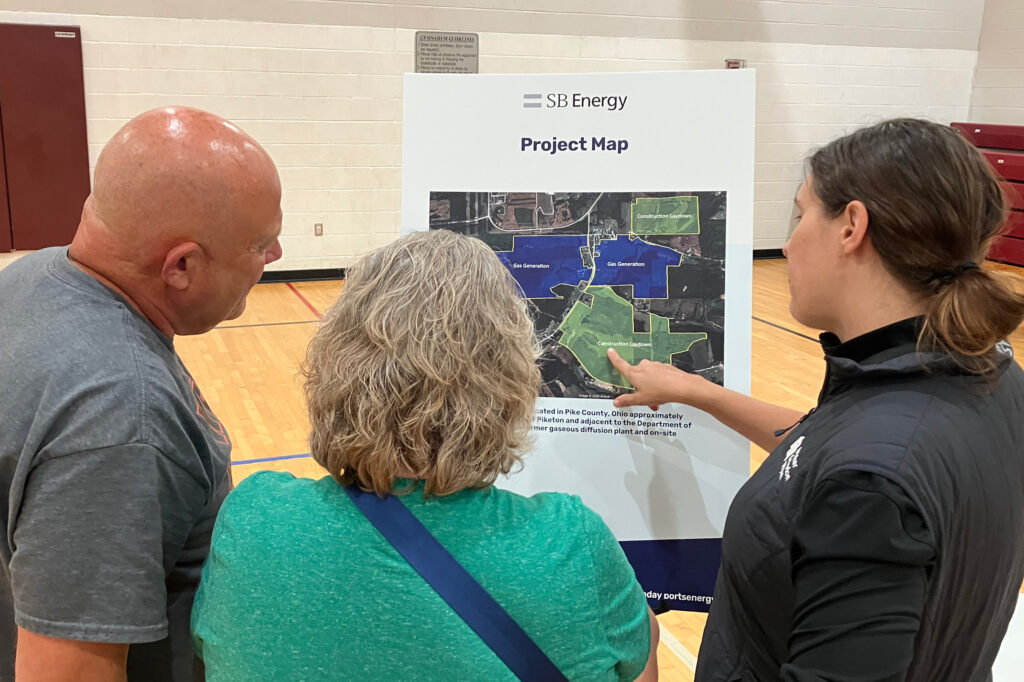
More than 100 residents milled about a YMCA gymnasium on Thursday to look at posterboard displays and talk to staff from SB Energy, the SoftBank subsidiary that is developing the power plant. The materials showed previously unreported details, such as the three types of gas turbines that will be used in the $33 billion project.
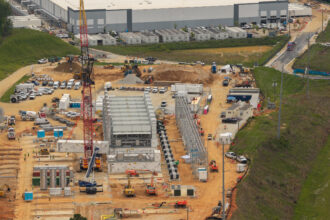
The poster that drew the most attention was a map showing the power plant would be built on land just south of Portsmouth Gaseous Diffusion Plant, a former federal uranium enrichment facility that is now a hazardous waste remediation site.
“We do not need all these data centers,” said Terri Slater, a retired educational aide who lives in Jackson, east of the project. “I don’t need it. You don’t need it.”
But Slater’s was not the majority view. Others said they didn’t have opinions or wanted to learn more before commenting. There were no signs of an opposition campaign, which was notable, considering how often data centers have inspired organized resistance across Ohio and the rest of the country.
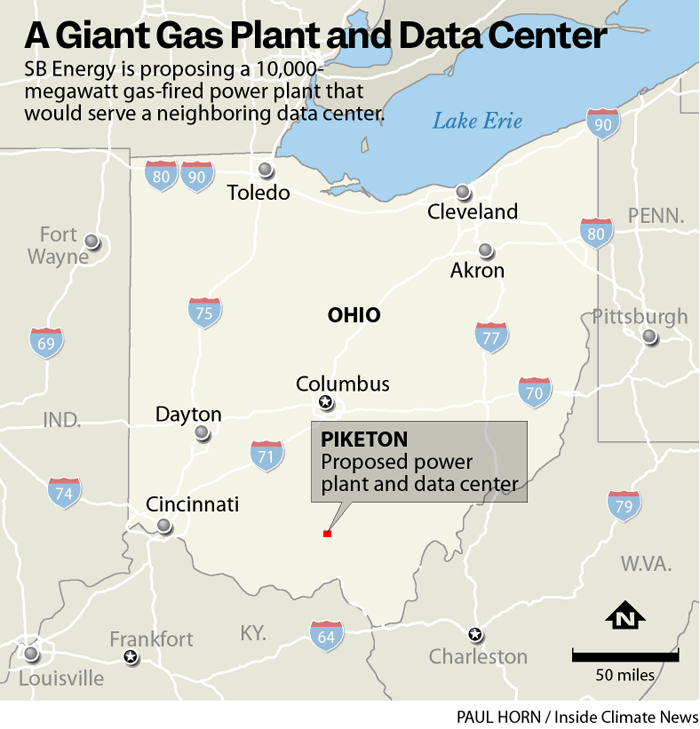
Waverly, population about 4,100, is the county seat of Pike County, and a few miles north of Piketon, which is near the project’s location. The county faces significant economic challenges, ranking close to the bottom of Ohio in median household income and near the top in unemployment rate.
The primary challenges to the data center, called PORTS Technology Campus, may be financial. Rising debt has contributed to concerns among investors, spurred in part by a report this week in The Wall Street Journal that OpenAI, a potential tenant, was negotiating a $250 billion financial backstop from the chip maker Nvidia. The arrangement carries risks for both companies if the project fails to generate sufficient revenue.
“There’s a lot of entanglement,” said Stijn Van Nieuwerburgh, a Columbia Business School economist. “They’re basically all bankrolling each other.”
Inside Climate News reported in May about energy analysts’ doubts about the viability of the power plant because of a variety of factors, including risks tied to reliance on natural gas, a fuel with a long history of price volatility.
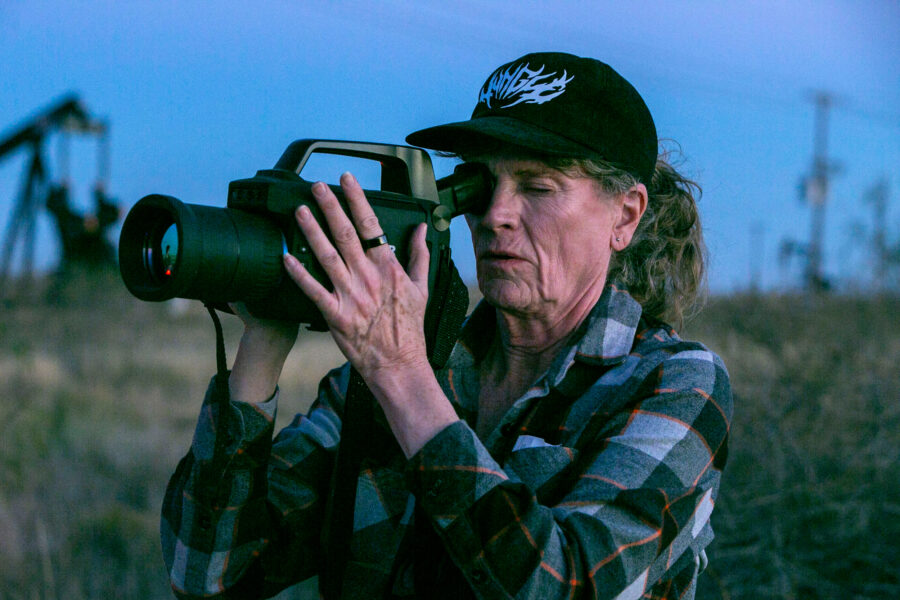
The lack of local backlash hasn’t surprised Gina Doyle, a retired healthcare worker who lives about three miles from the project. She has spent years asking for greater public recognition of cancer risk tied to the uranium plant and also opposes the power plant and data center. She is wary of how the development would affect the environment in an area that already has suffered immense harm.

But the number of outspoken opponents of the project who live in the community is near zero, she said.
Doyle attributes this to the region’s history of dependence on the federal government for jobs at the uranium enrichment plant. The plant operated from the 1950s until 2001, making fuel for nuclear weapons for much of that time. Almost everyone either worked at the plant or has a close friend or family member who did, and they are eager to see the site redeveloped.
“There’s a loyalty to that plant,” she said.
Slater, who had not met Doyle until the open house, said the area is so economically depressed that people will welcome projects that other regions view as a blight.
“We’re too stupid to say no to anything,” Slater said.
An Unusual Project
The proposed gas plant, which requires approval from the Ohio Power Siting Board, would have an initial phase of 2,000 megawatts, with plans to start operating by the end of 2028. Later phases would expand the generating capacity to 10,000 megawatts, more than any other gas plant operating in the United States.
The neighboring data center would begin with electricity demand of 800 megawatts; later phases would increase it to 10,000 megawatts, which would top any data center in the country.
The project is unusual in its size and its origins. Japan-based SoftBank made the investment as part of a larger trade agreement between the United States and Japan. The Japanese government agreed to finance projects in the United States in exchange for a reduction in tariffs on Japanese products. For the power plant, 9,200 megawatts is related to the trade deal. SB Energy would arrange an additional 800 megawatts, a company official said.
The Trump administration has touted the project as a trade policy success.
The open house was about the power plant, called PORTS Energy Center, and not the data center. But residents’ conversations and questions touched on all the proposals.
A power plant of this scale requires many gas turbines at a time when they are in short supply, with delivery lead times that can take years. SB Energy previously said it had ordered turbines from manufacturer GE Vernova and would have them in time for a 2028 opening.
On Thursday, one of the posters showed the plant would use three different types of turbines:
- The LM2500, which is a small turbine similar to a jet engine, built to ramp up quickly when needed to meet changes in demand.
- The 6F, which is larger and more efficient than the LM2500.
- The 7HA.02, which is the largest and most efficient, and is part of a combined-cycle system that captures waste heat and uses it to generate additional electricity.
The power plant would cover 770 acres, about the size of 580 football fields, and produce enough electricity to serve millions of homes. But its purpose would be to power the AI data center next door.
Karl Brutsaert, who leads development for SB Energy, chatted with residents at the open house. He said the project aims to revitalize southern Ohio’s economy after many jobs were lost when the uranium enrichment plant shut down.
“This is an opportunity to redevelop the site, redevelop the land around the site and bring those jobs back and establish a new mission, which is for energy dominance for the U.S.,” he said.
Weighing the Future
Some of the financial ramifications of the Ohio project made investors uneasy this week.
Media outlets, starting with The Wall Street Journal, reported that OpenAI, the maker of ChatGPT, was close to a deal to receive a $250 billion guarantee from Nvidia that would help pay for the Ohio data center. The reports said OpenAI is in talks to be the site’s main tenant, but the company has not confirmed. (OpenAI and Nvidia didn’t respond to requests for comment.)
In March, OpenAI and SoftBank announced a partnership in which each would invest $500 million in SB Energy, but didn’t mention the Ohio project.
This story is funded by readers like you.
Our nonprofit newsroom provides award-winning climate coverage free of charge and advertising. We rely on donations from readers like you to keep going. Please donate now to support our work.
Donate NowColumbia’s Van Nieuwerburgh said the potential financing arrangement for the Ohio data center could be “a house of cards” for the companies involved if the project doesn’t meet expectations.
“The sort of dollar amounts that are involved in building these large, AI-centric data centers are of an order of magnitude that the revenues have to be gargantuan,” he said in an interview. “They have to grow at a rate that’s pretty much unprecedented in American corporate history.”
If growth falls short, the consequences could be huge, considering the high valuations of AI companies. Van Nieuwerburgh addressed some of these concerns in a working paper published in March. Since then, he has seen the risks continue to grow.
Microsoft helped to quiet some of the market’s fears this week by issuing a forecast of positive cash flow for cloud computing, which provides some optimism on the outlook for AI, but there remain many unanswered questions about how key players will generate enough revenue.
At the Waverly open house, a reporter asked Tony Montgomery, a Pike County commissioner, if he had any concerns that financial issues could derail the project and leave his community in the lurch.
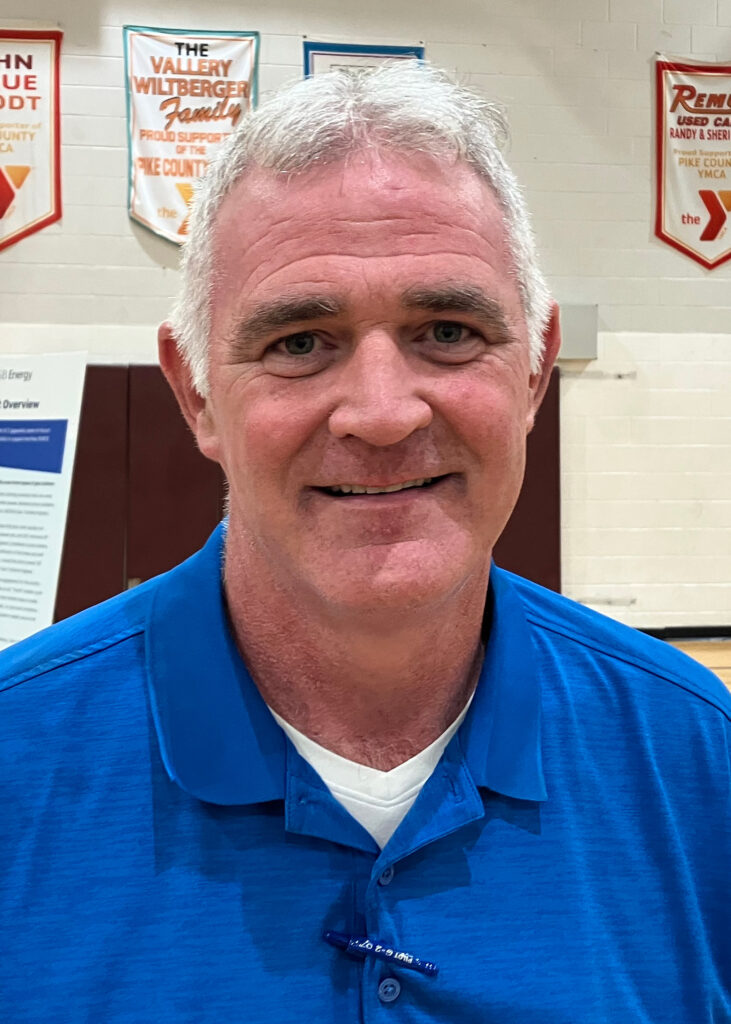
“We brought that question up,” he said. “What happens in 5, 10, 12 years or whatever, if this is not viable anymore? How is our community not stuck with a bunch of buildings that maybe we can’t use for anything else? We’re trying to address that.”
Montgomery said the details would become clearer as the development moves forward and he thinks that any concerns are outweighed by the potential for jobs and investment.
A nearby poster said the power plant would employ about 5,000 for “craft labor,” which likely means skilled tradespeople involved in construction, as well as 400 planning and construction staff staff, and 110 employees to operate the plant. The estimates just include the power plant, not the employees needed to build and operate the data center.
SoftBank has listed larger job counts, such as 35,000 for construction and 2,500 for operation, which includes future phases and related parts of the project.
Many residents said they were just beginning to grasp the size of the development and what it will mean for them and their community.
Dennis and Deborah Hopkins live so close to the proposed power plant that they will be able to see it from their front windows. They received an offer to sell their property to a company connected to the project, but they rejected it.
“I want to keep my house,” Deborah Hopkins said. “I want my land.”
About This Story
Perhaps you noticed: This story, like all the news we publish, is free to read. That’s because Inside Climate News is a 501c3 nonprofit organization. We do not charge a subscription fee, lock our news behind a paywall, or clutter our website with ads. We make our news on climate and the environment freely available to you and anyone who wants it.
That’s not all. We also share our news for free with scores of other media organizations around the country. Many of them can’t afford to do environmental journalism of their own. We’ve built bureaus from coast to coast to report local stories, collaborate with local newsrooms and co-publish articles so that this vital work is shared as widely as possible.
Two of us launched ICN in 2007. Six years later we earned a Pulitzer Prize for National Reporting, and now we run the oldest and largest dedicated climate newsroom in the nation. We tell the story in all its complexity. We hold polluters accountable. We expose environmental injustice. We debunk misinformation. We scrutinize solutions and inspire action.
Donations from readers like you fund every aspect of what we do. If you don’t already, will you support our ongoing work, our reporting on the biggest crisis facing our planet, and help us reach even more readers in more places?
Please take a moment to make a tax-deductible donation. Every one of them makes a difference.
Thank you,

Dan Gearino
Reporter, Clean Energy
Dan Gearino covers the business and policy of renewable energy and utilities, often with an emphasis on the midwestern United States. He is the main author of ICN’s Inside Clean Energy newsletter. He came to ICN in 2018 after a nine-year tenure at The Columbus Dispatch, where he covered the business of energy. Before that, he covered politics and business in Iowa and in New Hampshire. He grew up in Warren County, Iowa, just south of Des Moines, and lives in Columbus, Ohio.