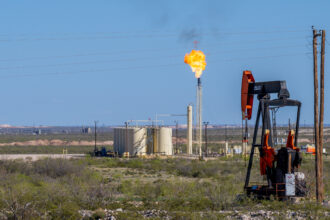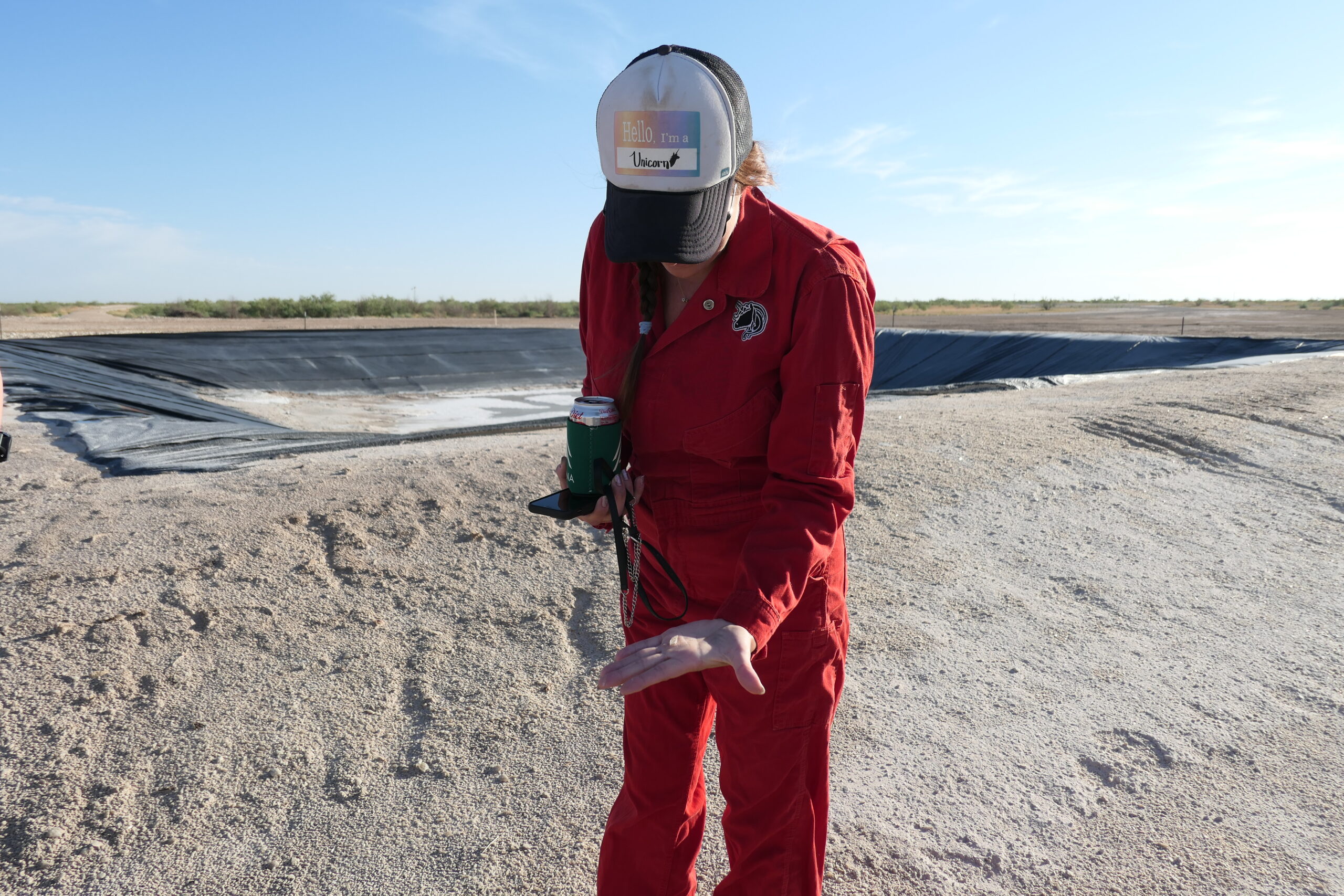


During an oil and gas industry conference I attended in Midland, Texas in early 2023 I learned that oil companies in Texas aren’t required to report spills of produced water, the salty, toxic liquid that comes out of the ground in the drilling process. Intrigued, I started making public records requests to the Railroad Commission of Texas, which regulates the oil and gas industry.
Companies are not required to report the spills, but many voluntarily do, and soon the Railroad Commission delivered hundreds of pages of logs recording produced water spills. The trouble was, they were completely disorganized. I couldn’t calculate the volumes of the spills or their geographical distribution.
Enter data journalist Peter Aldhous. We worked together for many hours to clean the data, organizing the logs into a coherent dataset.
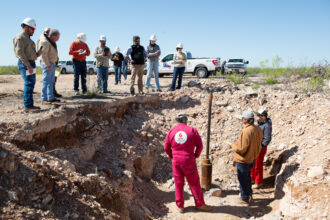
Then Peter built a database to allow us to easily search and sort the spills. I complemented his work with reporting on the ground in the Permian Basin, observing legacy produced water spills and interviewing sources. I also searched court documents and numerous lawsuits where property owners alleged damages from these spills.
In October 2023, Inside Climate News published the full database for anyone to use. The messy, error-ridden logs were now navigable. My analysis found more than 148 million gallons of produced water were spilled between 2013 and 2022. Most of the more than 10,000 individual spills occurred on land, with about 350 contaminating bodies of water. My reporting showed that, while regulations remain vague and inconsistent, these spills have disastrous impacts.
Since publishing, landowners and oil and gas industry professionals have reached out to thank us for the database, which has allowed them to identify spills that the state did not disclose to the public.
People living in the oilfields also have thanked us for coverage of an overlooked issue. One of my sources, a petroleum engineer, said multiple companies asked him whether their own spills showed up in the data. I was invited to speak at a seminar organized by an Austin-based law firm and attended by hundreds of landowners who have oil and gas drilling on their properties, and other stakeholders.
Our reporting cracked an open secret of the oilfields—that produced water frequently spills in massive quantities—and turned it into a documented, quantifiable problem that could be fixed.
About This Story
Perhaps you noticed: This story, like all the news we publish, is free to read. That’s because Inside Climate News is a 501c3 nonprofit organization. We do not charge a subscription fee, lock our news behind a paywall, or clutter our website with ads. We make our news on climate and the environment freely available to you and anyone who wants it.
That’s not all. We also share our news for free with scores of other media organizations around the country. Many of them can’t afford to do environmental journalism of their own. We’ve built bureaus from coast to coast to report local stories, collaborate with local newsrooms and co-publish articles so that this vital work is shared as widely as possible.
Two of us launched ICN in 2007. Six years later we earned a Pulitzer Prize for National Reporting, and now we run the oldest and largest dedicated climate newsroom in the nation. We tell the story in all its complexity. We hold polluters accountable. We expose environmental injustice. We debunk misinformation. We scrutinize solutions and inspire action.
Donations from readers like you fund every aspect of what we do. If you don’t already, will you support our ongoing work, our reporting on the biggest crisis facing our planet, and help us reach even more readers in more places?
Please take a moment to make a tax-deductible donation. Every one of them makes a difference.
Thank you,