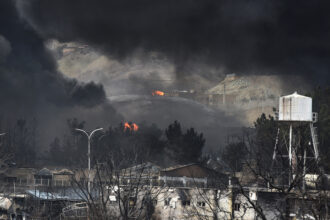


The worldwide fallout from the U.S. war in Iran isn’t limited to gas prices.
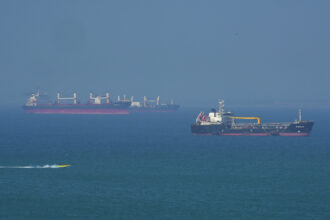
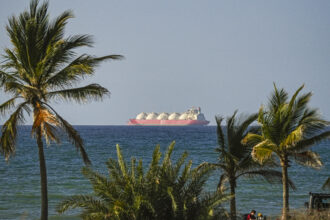
The largely blocked Strait of Hormuz has become “a critical failure point for global food security,” Máximo Torero Cullen, chief economist of the United Nations’ Food and Agriculture Organization, warned this week.
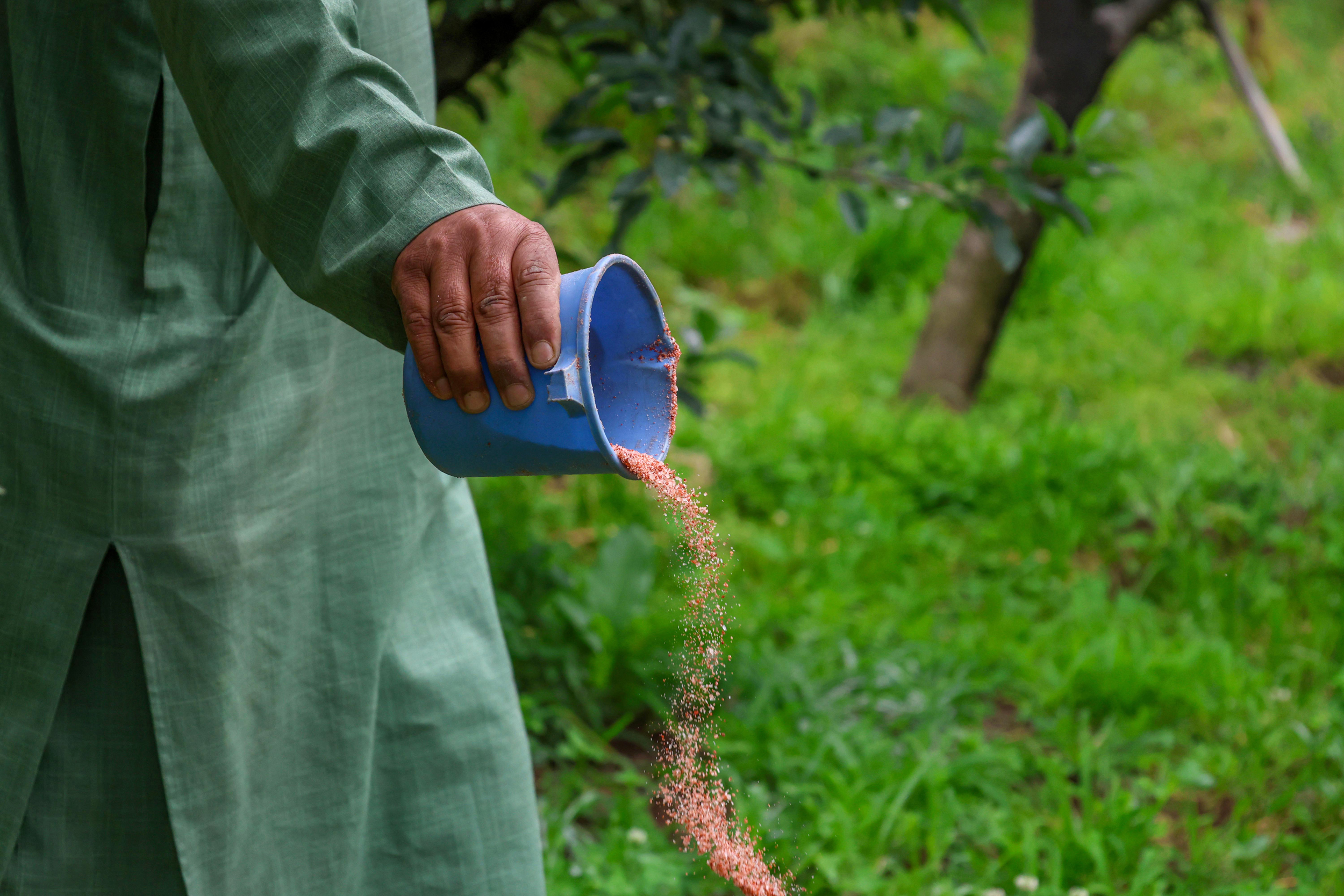
Approximately a third of the world’s seaborne fertilizer trade passed through the waterway before Iran closed the shipping lane, according to U.N. Trade and Development. As a result of the conflict, the World Bank projects that fertilizer prices could jump an average of 31 percent this year.
Torero said this disruption to the fertilizer supply chain has led to “an unprecedented shock to agricultural inputs” that could impact global food production through next year, potentially leading to higher food prices and more hunger globally.
In the U.N. analysis, even moderate disruptions could mean increased hunger and poverty for tens of millions. But if supply chain problems stretch into next year, global food consumption could take a hit for at least the next four years.
The impacts will not be felt evenly, with countries highly dependent on food or fertilizer imports more likely to suffer. South Asia, East Africa and the Middle East appear especially vulnerable.
Torero urged countries to take immediate action to support farmers and protect global food security. But he also said the situation calls for long-term “structural transformation,” including reducing reliance on fossil fuels.
Because fossil fuels are typically used to make synthetic fertilizer, Iran war energy shocks are compounding the fertilizer crisis.
Other experts agree that the fallout of the war has highlighted the need for more sustainable agricultural methods and resilient supply chains to improve global food security.
“The biggest takeaway is that we need to find a production system that relies less on fossil fuels,” said Jasper Verschuur, research associate at the University of Oxford’s Environmental Change Institute. “It’s this energy price dependency that’s really making the system so vulnerable.”
Verschuur pointed to more local production and “green ammonia”—in which fertilizer inputs are produced using renewable energy—as methods to build a more resilient supply chain in the future. Building this infrastructure, though, will take years and significant financial investments.
The food system also depends on fossil fuels to move products around the world. More local supply helps decouple food prices from energy costs.
“Food security is not just about the ability to import stuff, it’s about the ability to produce it as well,” said Benjamin Selwyn, who studies international development and international relations at the University of Sussex in England. “Local food systems are really part of the solution.”
Selwyn also pointed to sustainable agriculture methods, collectively known as agroecology, as a way to buffer against commodity price fluctuations. This can include growing multiple crops together, using manure as fertilizer, practicing small-scale farming and reducing fertilizer and pesticide needs through precision agriculture technologies such as drones.
Even as experts recommended reducing agriculture’s dependence on fossil fuels, they warned that using food crops for biofuels could contribute to global food security risks, especially during fertilizer shocks. Given the current crisis, the U.N. cautioned governments against “boosting biofuel demand during shortages to limit food–fuel competition.”
“Corn is one of the most demanding fertilizer crops there are, and we’re using so much of it in a car engine,” said Mike Badzmierowski, manager of U.S. agricultural policy at the World Resources Institute. “We really have to move away from biofuels coming from food crops.”
Sustainable adaptations could be an effective response not only to geopolitical instability but also to the compounding food security challenges stemming from climate change and increasing extreme weather events. Against the backdrop of the ongoing energy crisis, the World Meteorological Organization projected this week that unusually strong El Niño conditions brewing in the tropical Pacific could affect crop yields this year through extreme weather.
“The bigger risk is when you stack those shocks,” Badzmierowski said. “We have to be bold and think about system change.”
About This Story
Perhaps you noticed: This story, like all the news we publish, is free to read. That’s because Inside Climate News is a 501c3 nonprofit organization. We do not charge a subscription fee, lock our news behind a paywall, or clutter our website with ads. We make our news on climate and the environment freely available to you and anyone who wants it.
That’s not all. We also share our news for free with scores of other media organizations around the country. Many of them can’t afford to do environmental journalism of their own. We’ve built bureaus from coast to coast to report local stories, collaborate with local newsrooms and co-publish articles so that this vital work is shared as widely as possible.
Two of us launched ICN in 2007. Six years later we earned a Pulitzer Prize for National Reporting, and now we run the oldest and largest dedicated climate newsroom in the nation. We tell the story in all its complexity. We hold polluters accountable. We expose environmental injustice. We debunk misinformation. We scrutinize solutions and inspire action.
Donations from readers like you fund every aspect of what we do. If you don’t already, will you support our ongoing work, our reporting on the biggest crisis facing our planet, and help us reach even more readers in more places?
Please take a moment to make a tax-deductible donation. Every one of them makes a difference.
Thank you,

Madeline Shaw
Fellow
Madeline Shaw is an Outrider fellow at Inside Climate News and a journalist in NYU’s Science, Health and Environmental Reporting Program. She has reported on issues involving conservation, poaching and biodiversity. Her work has been published in The New York Times and Scienceline.