

BESSEMER, Ala.—After months of resistance, officials in a historic suburb of Birmingham have released a non-disclosure agreement between city leaders and developers of a hyperscale data center.
The release of the agreement came after environmental groups threatened to sue Bessemer over its unwillingness to share public documents related to the proposed construction of a 4.5 million-square-foot hyperscale data center on the rural southwest edge of the city of 25,000.
The text of the non-disclosure agreement, originally effective in February 2025 and amended in February 2026, prohibits “the City of Bessemer” from publicly releasing information related to Project Marvel in any of six categories, including information about the project’s developers, site plans, and reports or studies or any “other information that would reasonably be considered non-public.”
The agreement contains a provision that requires city officials to destroy all copies of information the developer considers confidential when the agreement expires or at any time the developer requests. That includes copies of notes about the project taken by city officials, according to the agreement’s text.
The city clerk did not respond to a request for comment from the mayor or other city officials, including questions about whether any records were destroyed to comply with the secrecy agreement.
Cleo King, a Bessemer city council member who has voted against rezoning measures for Project Marvel, told Inside Climate News he was “totally shocked” that city officials signed such an agreement with the data center developer.
“I can’t say who all signed—all I know is it wasn’t Cleo King,” he said.

According to a copy of the NDA city officials provided to the nonprofit Alabama Rivers Alliance and attorneys at the Southern Environmental Law Center, the document was signed by Bessemer Mayor Kenneth Gulley, city attorney Aaron Killings and the city’s chief of staff, Christopher Warren.
Charles Miller, policy director for Alabama Rivers Alliance, said in a statement that this type of NDA undermines the public’s trust in their leaders.
“It is absurd that three city officials—two of whom are not elected by the people of Bessemer—can sign a document that makes an entire city government more accountable to out-of-state developers than their own constituents,” Miller said. “In Alabama, our elected officials should work for us, not Silicon Valley AI companies and their associates.”
Ryan Anderson, a staff attorney at the Southern Environmental Law Center, said that despite city officials’ hesitance to release the information, Alabama law doesn’t allow public documents to be shielded from public view.
“Alabama law is clear: citizens have access to public records. It’s deeply concerning when it takes legal threats for a government to comply with basic transparency laws,” Anderson said in a statement. “What’s worse is the city frustrated an open records act request for a document that’s very purpose is to shield information from the public about a highly controversial data center.”
This isn’t the first data center NDA to be revealed in Alabama. In January, Inside Climate News published a copy of a non-disclosure agreement signed by officials in Columbiana, Alabama, a city southeast of Bessemer, with data center developer DigiPowerX.
Unlike that agreement, however, the secrecy agreement between Bessemer officials and Project Marvel developers was initially governed by Georgia law, according to its text, which was later amended to place the agreement under the purview of Alabama law.
This story is funded by readers like you.
Our nonprofit newsroom provides award-winning climate coverage free of charge and advertising. We rely on donations from readers like you to keep going. Please donate now to support our work.
Donate NowThe text of the agreement also prohibits city officials from releasing the identity of the data center developer or its representatives.
Brad Kaaber, who has represented the developer at public meetings, asked an Inside Climate News reporter not to include his name in press coverage of the project in June 2025.
Miller said that only the developer, not residents, stand to benefit from secrecy around the massive project.
“There may be reasons for developers to protect trade secrets or confidential business information through NDAs, but they should not be able to weaponize NDAs to hide their identity, or to require elected officials to destroy public records,” Miller said. “The only winners here are big-time data center developers who want to hide their actions from public scrutiny.”

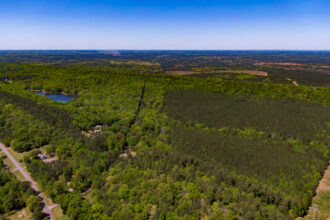
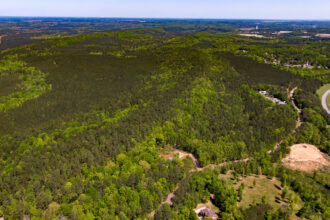
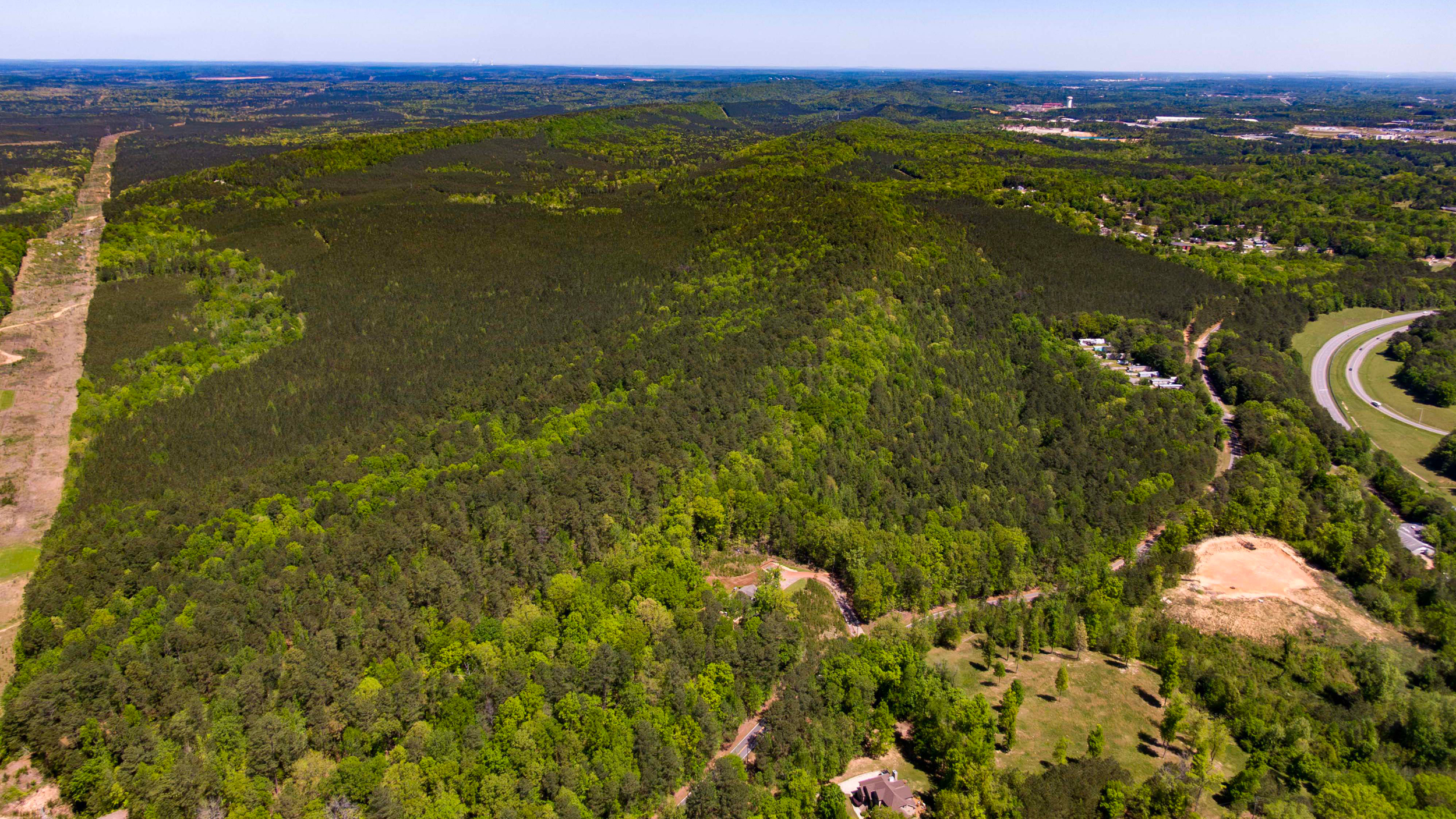
Residents in Bessemer have been almost universally opposed to Project Marvel, which its developers have boasted is the largest private investment in Alabama history. Slated to be the size of 18 Walmart Supercenters, if built to capacity, the data center campus could consume up to 1,200 megawatts of electricity—more than 90 times the amount of energy used by Bessemer residents every year.
The project has faced numerous hurdles, including a newly discovered, already-imperilled fish and a long-awaited, widely criticized highway project. None of those challenges has yet curbed the project, which developers have said could take up to a decade to complete.
Preliminary site preparation has already begun at the proposed data center site, which includes more than 1,600 acres of previously undeveloped forest. Meanwhile, despite a judge’s recent dismissal of their lawsuit against the city over the project, residents living near the site have said they’ll continue to do everything in their power to stop the development. They feel they have no choice. Left unchecked, they’ve said, the completion of Project Marvel would permanently alter their rural way of life.
About This Story
Perhaps you noticed: This story, like all the news we publish, is free to read. That’s because Inside Climate News is a 501c3 nonprofit organization. We do not charge a subscription fee, lock our news behind a paywall, or clutter our website with ads. We make our news on climate and the environment freely available to you and anyone who wants it.
That’s not all. We also share our news for free with scores of other media organizations around the country. Many of them can’t afford to do environmental journalism of their own. We’ve built bureaus from coast to coast to report local stories, collaborate with local newsrooms and co-publish articles so that this vital work is shared as widely as possible.
Two of us launched ICN in 2007. Six years later we earned a Pulitzer Prize for National Reporting, and now we run the oldest and largest dedicated climate newsroom in the nation. We tell the story in all its complexity. We hold polluters accountable. We expose environmental injustice. We debunk misinformation. We scrutinize solutions and inspire action.
Donations from readers like you fund every aspect of what we do. If you don’t already, will you support our ongoing work, our reporting on the biggest crisis facing our planet, and help us reach even more readers in more places?
Please take a moment to make a tax-deductible donation. Every one of them makes a difference.
Thank you,

Lee Hedgepeth
Reporter, Alabama
Lee Hedgepeth is Inside Climate News’ Alabama reporter. Raised in Grand Bay, Alabama, a small town on the Gulf Coast, Lee holds master’s degrees in community journalism and political development from the University of Alabama and Tulane University. Lee is the founder of Tread, a newsletter of Southern journalism, and has also worked for news outlets across Alabama, including CBS 42, Alabama Political Reporter and the Anniston Star. His reporting has focused on issues impacting members of marginalized groups, including homelessness, poverty, and the death penalty. His award-winning journalism has appeared in publications across the country and has been cited by the New York Times, the Wall Street Journal and the Washington Post, among others.