

The right governor can put a state on a dramatically different energy and environmental path—and next week’s election could set the stage for major policy shifts across the country.
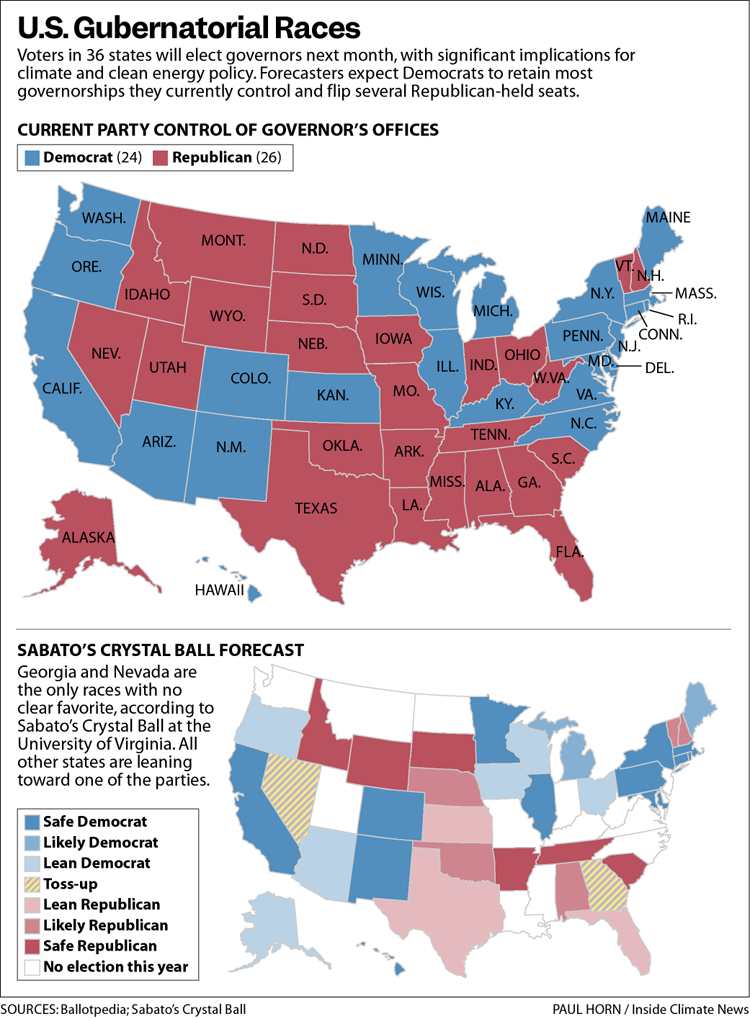
Democrats are favored to retain governorships in Arizona, Michigan, Pennsylvania, and Wisconsin, according to Sabato’s Crystal Ball at the University of Virginia.
The party is also poised to take control from Republicans in Alaska, Iowa and Ohio, with opportunities to win Georgia and Nevada, and less likely paths to victory in Florida and Texas. Kansas is the only state where Republicans have a strong chance of winning a seat currently held by a Democrat.
Going into the election, Republicans hold governorships in 26 states and Democrats do in 24 states; 36 states have governor races on the ballot.
Recent experiences suggest Democratic governors advocate for more ambitious climate and energy policies—especially when their party also controls both chambers of the state legislature. Those unified governments can be better positioned to expand renewable energy, curb greenhouse gas emissions and promote energy efficiency.
Gubernatorial races carry added significance this year as voters grapple with high energy prices and scrutinize how state policies affect utility bills.
“The number one office that can control the action and direction of energy policy in states and over their utility bill is the governor,” said Dylan Reed, managing director of Advanced Energy United, a trade association for renewable and low-carbon energy businesses.
Governors can act as a counterweight to a likely divided federal government. Republicans are on track to lose control of the U.S. House and maybe the U.S. Senate, which would reduce the likelihood that President Donald Trump and Congress can agree on major policies.
“If Congress is at a place of not being able to get things done, then so much can wind up falling to a state to try and really govern,” said Bill Ritter, a Democrat who was governor of Colorado from 2007 to 2011 and is now a consultant for clean energy and transmission companies.
Advocates point to the governors elected in 2018 as evidence of how much state leadership can matter. In Illinois, JB Pritzker’s victory gave Democrats control of the governor’s office and both chambers of the legislature, paving the way for a series of climate and energy laws.
Jennifer Walling, longtime leader of the Illinois Environmental Council, said the combination of the political environment and the right candidate made the difference. She sees a similar mix of opportunity in many states this year.
States Where Democrats Are on Track to Retain Control
In interviews with trade groups, advocates and analysts monitoring governor races, Wisconsin was the state most often cited as well-positioned for significant changes on energy and environmental policy.
Democrat David Crowley, the Milwaukee County executive, is running against Republican U.S. Rep. Tom Tiffany. The winner will replace Democrat Tony Evers, who chose not to run after two terms.
The race “leans Democrat,” according to Sabato’s Crystal Ball and it’s a toss-up according to the Cook Political Report.
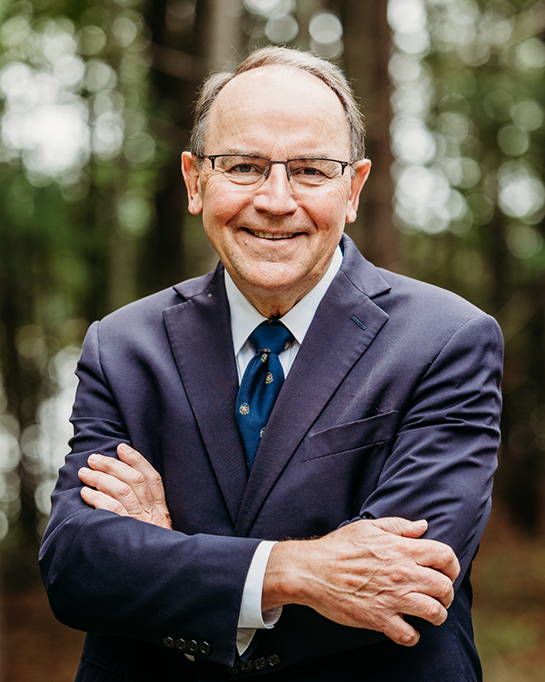
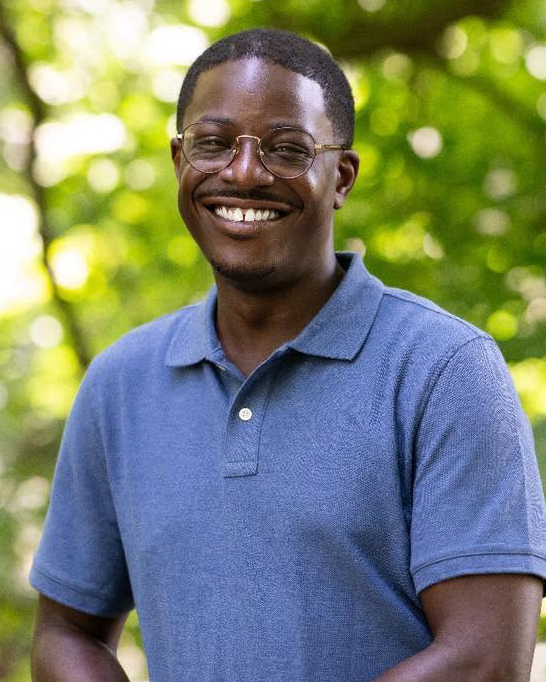
Republican U.S. Rep. Tom Tiffany (left) is running against Democrat David Crowley, the Milwaukee County executive, for governor of Wisconsin. Credit: Courtesy of the campaigns
Democrats also have a chance to gain majorities in the state House and Senate, which, if Crowley also wins, would give the party its first “trifecta” in more than a decade. Democrats are optimistic about legislative races thanks to a Wisconsin Supreme Court ruling that threw out gerrymandered district maps that favored Republicans.
Joshua Basseches, a public policy and environmental studies professor at Case Western Reserve University in Cleveland, said “arguably the most important” governor races this year are those that are closely contested and give the winner the power to appoint utility commission members. Wisconsin is one such race.
The stakes are especially high there with the Wisconsin Public Service Commission, which regulates utilities. Republicans in the legislature have stalled voting on Evers’ nominees for two of the panel’s three seats, hoping Tiffany will become governor. The nominees are serving on the commission while they await a confirmation vote, so all three seats are filled for now. But if elected, Tiffany could choose his own nominees.
Crowley and Tiffany have sharply different positions on energy policy.
“The Republican candidate is doubling down on fossil fuels and nuclear and calls solar a green energy boondoggle, and the Democrat, Crowley, is more focused on a clean energy future,” said Tom Content, executive director of Citizens Utility Board of Wisconsin, a consumer advocacy organization.
Both candidates favor developing more nuclear power, which is concerning to Content because it could raise costs for ratepayers.
Wisconsin could build much more renewable energy and batteries, but state policies that keep old power plants open hold it back, said Reed of Advanced Energy United. He expects substantial investment in the state if lawmakers can remove some of the current obstacles.
Other notable races in which Democrats are on track to retain control of governor’s offices:
Arizona: Democrat Gov. Katie Hobbs is running for re-election against Republican U.S. Rep. Andy Biggs. As in Wisconsin, Arizona’s opportunity depends on Democrats gaining majorities in one or both chambers of the legislature, which would give Hobbs more leeway to advance her agenda. Arizona is one of the sunniest states in the country and has long been viewed by the solar power industry as having high potential for developing cleaner, cheaper power.
One factor limiting Hobbs’ authority on energy issues is that the Arizona Corporation Commission, the utility regulator, is elected, not appointed. The panel has a 5-0 Republican majority, with two seats on the ballot next week.
Michigan: Democrat Jocelyn Benson, the secretary of state, is running against Republican U.S. Rep. John James. They are vying to replace term-limited Democrat Gretchen Whitmer. Benson would have a clearer path to passing her agenda if Democrats control the legislature, and that’s likely to happen, with the party already in control of the Senate and needing to gain four seats in the House.
Whitmer passed major clean energy legislation in 2023, and Benson and a Democratic-controlled legislature could support that measure and help meet its goals, while Republicans would be more likely to reduce the state’s clean energy and climate ambitions.
Pennsylvania: Democrat Josh Shapiro is cruising to re-election, according to polls. His party also has a chance to gain control of the legislature, where Democrats hold a 103-100 majority in the House and Republicans have a 27-23 majority in the Senate.
If it becomes politically possible to pass clean energy and environmental measures in Pennsylvania, the potential benefits are large because the state has underachieved compared to many of its peers. The state’s energy policies were often crafted with deference to fossil fuel companies, which is one reason Pennsylvania gets an unusually small share of its electricity from wind and solar.
Others Favoring the Incumbent Party: Democrats are likely to retain governor’s offices in California, Colorado, Connecticut, Hawaii, Illinois, Massachusetts, Maryland, Maine, Minnesota, New Mexico, New York and Rhode Island.
Republicans are on track to retain seats in Alabama, Arkansas, Idaho, Nebraska, New Hampshire, Oklahoma, South Carolina, South Dakota, Tennessee, Vermont and Wyoming.
That leaves nine states with at least some chance of flipping party control.
Races That May Flip Party Control
Going into this year, Alaska was not high on the list of states primed to elect a Democratic governor. The party has been shut out from this office since Tony Knowles concluded his second term in 2002.
Jonathan Kreiss-Tomkins, a former member of the state House, is the only Democrat of the four candidates on the ballot under the state’s ranked-choice voting system. He leads in polls because of a strong campaign and Republicans’ inability to coalesce around a candidate.
The incumbent, Republican Gov. Mike Dunleavy, is term-limited.
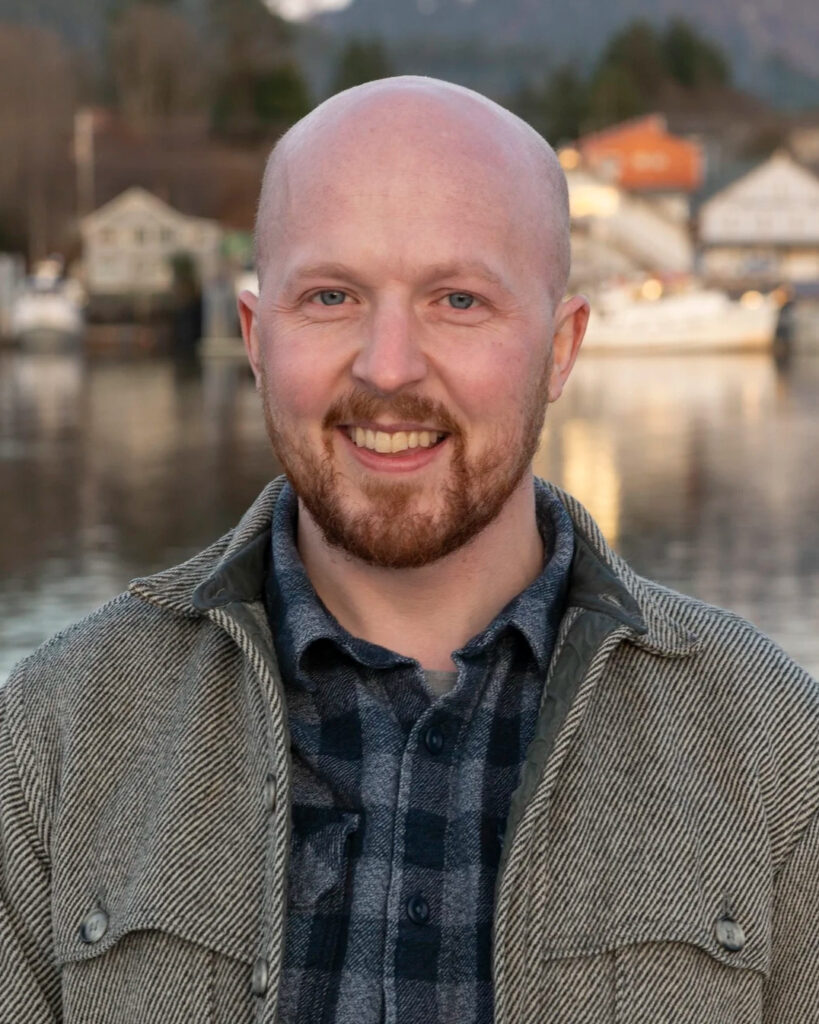
During Kreiss-Tomkins’ time in the state House from 2013 to 2023, he helped to organize bipartisan coalitions that controlled the chamber. This unusual arrangement gave him prominent roles, including chairman of the House State Affairs Committee, even though his party was in the minority.
Kreiss-Tomkins’ gubernatorial campaign has emphasized the need to support public schools and reduce energy costs. He lists wind, solar, hydropower and natural gas as energy resources he would like to see developed.
“One hundred percent, yes,” Kreiss-Tomkins answered in an interview with Alaska Public Media when asked whether renewable energy could play a greater role in making power more affordable in rural areas. He said this would help to reduce reliance on expensive diesel fuel.
His support for natural gas reflects Alaska’s status as a major fossil fuel producer and is unsurprising to environmental advocates. A Democrat would have a difficult time winning without supporting gas development.
At the same time, Kreiss-Tomkins’ support for renewable energy is encouraging to advocates who see untapped potential in the state’s vast territory.

The leading Republican candidate, according to polls, is Bernadette Wilson, a former radio talk show host who owns a garbage disposal business. When asked about climate change by KYUK public media, she said the climate has always been warming and cooling. She opposes spending on policies designed to cut carbon emissions, such as carbon credits.
Iowa: Democrat Rob Sand, the state auditor, has been polling ahead of Republican businessman Zach Lahn. If Sand wins, Democrats would return to power for the first time since 2010. The incumbent, Republican Kim Reynolds, chose not to run for re-election.
Iowa is a leader in wind energy, but new projects are becoming rare in the state and across the country because of objections from nearby residents. Sand has said he supports maintaining the ability of local governments to reject projects, while also viewing wind and solar power as important resources for Iowa’s electricity grid and economy.
Sand has gained national notoriety for his emphasis on political moderation and his desire to separate himself from national Democrats. This, along with the likelihood of a Republican-controlled legislature, means that major changes to energy and environmental policy are unlikely to pass.
Georgia: Democrat Keisha Lance Bottoms, former mayor of Atlanta, is running against Republican healthcare executive Rick Jackson, with analysts saying there is no clear favorite. Republican Gov. Brian Kemp isn’t running because of term limits.
Kemp has overseen substantial investment in Georgia from battery, solar and other companies in the clean energy economy, so there wouldn’t be a huge shift with Bottoms in office. The bigger question is whether Jackson would continue to encourage investment from clean energy industries, and it’s hard to tell based on how little the topic has come up in the campaign.
Bottoms has been outspoken about how climate change is especially harmful to cities, testifying before a U.S. Senate panel in 2019. But climate change has not been a major issue in the campaign for governor.
Instead, the main environmental issue has been data centers. Bottoms has called for a pause in data center development to give residents and officials time to craft new regulations. Jackson has outlined three conditions for approving data centers: approval from the host community, compliance with Environmental Protection Agency rules, and a tangible benefit for community members, such as lower utility bills or property taxes.
Georgia elects members of its Public Service Commission, so the governor doesn’t exert control, as they would in a state with appointed commissioners. Two of the commission’s five seats are on the November ballot, and if Democrats win either, the party will gain a 3-2 majority.
This story is funded by readers like you.
Our nonprofit newsroom provides award-winning climate coverage free of charge and advertising. We rely on donations from readers like you to keep going. Please donate now to support our work.
Donate NowOhio: Democrat Amy Acton, former director of the state health department, has a slight edge over Republican Vivek Ramaswamy, a former presidential candidate and biotech company executive. The winner would replace Republican Mike DeWine, who can’t run because of term limits.
This is an unusually ugly race, punctuated by Ramaswamy’s personal attacks on Acton. While energy issues are barely discussed, both candidates say they support limits on data center development, but Acton is more specific about her concerns.
If Acton wins, she would have to work with a legislature where Republicans are likely to retain control of both chambers. Ohio’s governor appoints members of the Public Utilities Commission, which would give the winner greater authority to change utility costs.
Nevada: Republican Gov. Joe Lombardo is running for re-election in a tight race against Democrat Aaron Ford, the state attorney general. Democrats control both chambers of the legislature, so a Ford win could give the party a trifecta.
Like Kemp in Georgia, Lombardo is a Republican who has encouraged investment from clean energy companies. Nevada Conservation Voters, an advocacy group, gives Lombardo a C+ grade, acknowledging his support of clean energy while criticizing his backing of fossil fuel projects and his record on protecting public lands.
Evergreen Action, an advocacy group, has praised Ford’s plan to fast-track solar and battery projects and his position that data centers should pay for the added electricity demand they create.
Kansas: Republican Ty Masterson has a narrow edge against Democrat Cindy Holscher. Both are state senators and they are running to replace Gov. Laura Kelly, a Democrat who is term-limited.
This is Republicans’ best chance to win a governor’s office now controlled by Democrats. The next governor will work with a legislature in which Republicans are likely to continue to control both chambers.
Masterson is more moderate on energy issues than many Republicans. He has welcomed renewable energy development in a state with rich wind resources, while also opposing renewable energy mandates.
Oregon: Republicans’ second-best chance to flip a governor’s seat from Democrats is in Oregon. Democratic Gov. Tina Kotek is narrowly favored over Republican state Sen. Christine Drazan by Sabato’s Crystal Ball and the Cook Political Report.
Democrats control both chambers of the Oregon Legislative Assembly and are likely to retain their majorities, which reduces Drazan’s ability to make significant changes.
Drazan has campaigned as a moderate on energy issues, but environmental advocacy groups disagree, noting her opposition to some of the state’s landmark climate and energy laws. The League of Conservation Voters named her to its Dirty Dozen of candidates most harmful to the climate.
Texas and Florida
The two remaining races are in Texas and Florida.
Republicans have a small edge in both, despite “a bad political environment and possible exhaustion with long periods of Republican leadership,” said Kyle Kondik, managing editor for Sabato’s Crystal Ball, in a story posted last month. In an email, Kondik said his assessment hasn’t changed in the weeks since.
Texas: Republican Gov. Greg Abbott is in a close contest with Democrat Gina Hinojosa, a member of the state House.
Both candidates have responded to growing public opposition to data centers by pushing for a pause in development. Abbott called for a pause in permitting, but the state continued issuing permits. Hinojosa has said the legislature should convene a special session to enact a moratorium on new data centers.
Texas is the country’s energy leader in nearly every category, serving as the headquarters for major oil and gas companies and generating more electricity from utility-scale solar and wind than any other state. Texas’ leadership in renewable energy is partly due to market rules that allow easy permitting of new projects of almost any type.
The state’s rise to the top in renewable energy occurred under Republican leadership, even though the party is closely tied to fossil fuel industries and has passed laws that favor them. Texas’ leadership has also overseen an environmental record that is lenient on polluters and allows substantial greenhouse gas emissions.
Hinojosa would likely be better for clean energy and environmental stewardship than Abbott, but a state constitution that gives the governor little power compared to most other states undercuts the potential for change. The election winner will need to pass an agenda through a legislature likely still controlled by Republicans, and oil and gas regulation runs through the Texas Railroad Commission, also controlled by Republicans.
Florida: Republican Byron Donalds, a member of the U.S. House, is in a tight race against David Jolly, a former U.S. House member. The winner will replace Republican Gov. Ron DeSantis, who is term-limited.
Donalds is in the Trump mold, expressing hostility to renewable energy and rejecting the idea of human-caused climate change. Jolly has said he agrees with climate scientists on the need to address global warming and he supports increasing investment in renewable energy.
Republicans hold large majorities in the legislature and would limit Jolly’s ability to push his agenda if he’s elected.
In recent years, polling has shown Florida Democrats were competitive in races only to lose by a healthy margin. This history is one reason that some observers remain skeptical that this is a winnable race for Jolly, even if Democrats perform well elsewhere.
About This Story
Perhaps you noticed: This story, like all the news we publish, is free to read. That’s because Inside Climate News is a 501c3 nonprofit organization. We do not charge a subscription fee, lock our news behind a paywall, or clutter our website with ads. We make our news on climate and the environment freely available to you and anyone who wants it.
That’s not all. We also share our news for free with scores of other media organizations around the country. Many of them can’t afford to do environmental journalism of their own. We’ve built bureaus from coast to coast to report local stories, collaborate with local newsrooms and co-publish articles so that this vital work is shared as widely as possible.
Two of us launched ICN in 2007. Six years later we earned a Pulitzer Prize for National Reporting, and now we run the oldest and largest dedicated climate newsroom in the nation. We tell the story in all its complexity. We hold polluters accountable. We expose environmental injustice. We debunk misinformation. We scrutinize solutions and inspire action.
Donations from readers like you fund every aspect of what we do. If you don’t already, will you support our ongoing work, our reporting on the biggest crisis facing our planet, and help us reach even more readers in more places?
Please take a moment to make a tax-deductible donation. Every one of them makes a difference.
Thank you,

Dan Gearino
Reporter, Clean Energy
Dan Gearino covers the business and policy of renewable energy and utilities, often with an emphasis on the midwestern United States. He is the main author of ICN’s Inside Clean Energy newsletter. He came to ICN in 2018 after a nine-year tenure at The Columbus Dispatch, where he covered the business of energy. Before that, he covered politics and business in Iowa and in New Hampshire. He grew up in Warren County, Iowa, just south of Des Moines, and lives in Columbus, Ohio.